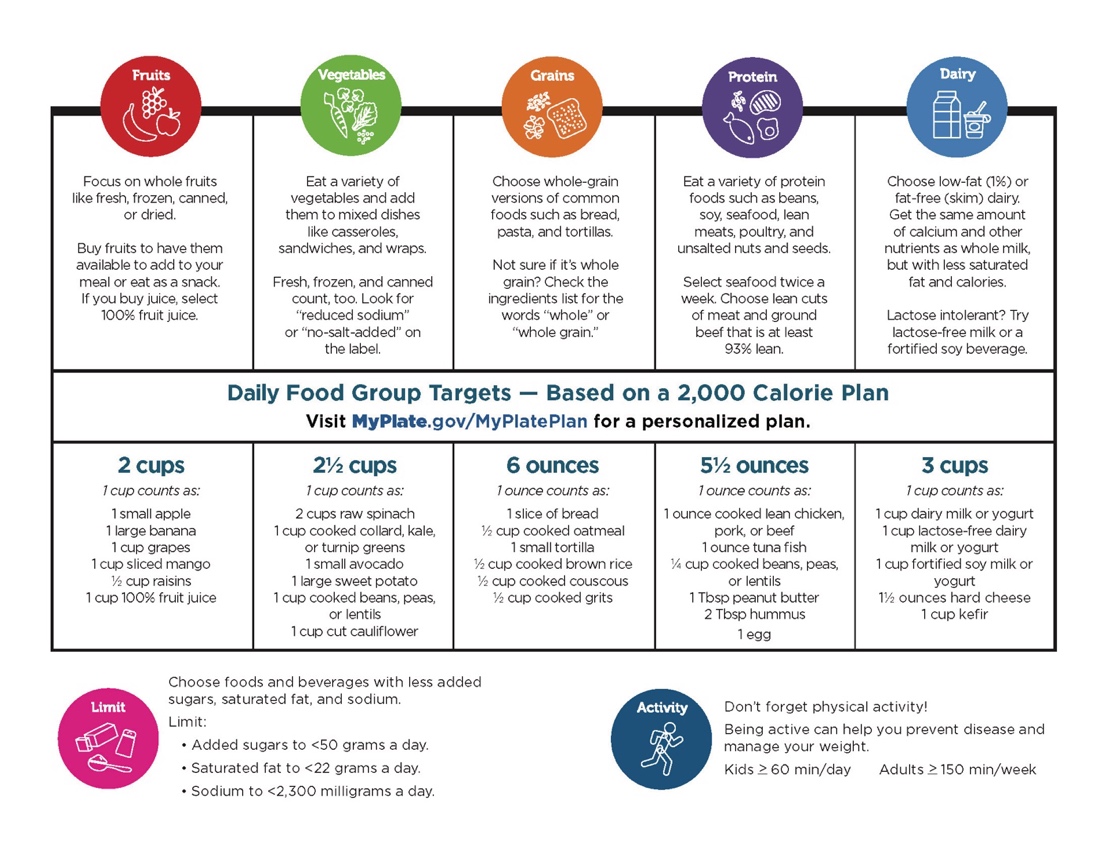
Here's industry reports
https://www.nationalbeefwire.com/doctors-group-applauds-comm...
https://www.wattagnet.com/business-markets/policy-legislatio...
And straight up lobbying groups
https://www.nationalchickencouncil.org/new-dietary-guideline...
https://www.meatinstitute.org/press/recommend-prioritizing-p...
Lobbying groups, putting out press releases, claiming victory...
Here's some things you won't find in any of the documents, including the PDFs at the bottom: community gardens, local food, farmers markets, grass fed, free range... Because agribusiness doesn't make money with those.
Just because you might like the results doesn't mean they aren't corrupt as hell
A demand for the average American to eat more meat would have to explain, as a baseline, why our already positive trend in meat consumption isn't yielding positive outcomes. There are potential explanations (you could argue increased processing offsets the purported benefits, for example), but those are left unstated by the website.
[1]: https://www.agweb.com/opinion/drivers-u-s-capita-meat-consum...
[2]: https://ers.usda.gov/data-products/chart-gallery/chart-detai...
That number seemed unreal to me, so I looked it up. I think it represents the total pre-processing weight, not the actual meat meat consumption. From Wikipedia:
> As an example of the difference, for 2002, when the FAO figure for US per capita meat consumption was 124.48 kg (274 lb 7 oz), the USDA estimate of US per capita loss-adjusted meat consumption was 62.6 kg (138 lb)
Processing, cutting into sellable pieces, drying, and spoilage/loss mean the amount of meat consumed is about half of that number.
I find that to be a challenging amount of meat. It's a lot! And to find out that's average???
Americans eat way too much meat. Cheese, too.
Also, you need to adjust for demographics. In 1900, 35% of the population was under 15: https://demographicchartbook.com/index.php/chapter-5-age-and.... Today it’s only 19%. Children and babies obviously eat a lot less meat than adults, and they make up a much smaller share of the population today than back then.
> It has become internationally famous for embracing and promoting an unhealthy diet of incredibly large hamburgers. Customers are referred to as "patients," orders as "prescriptions," and the waitresses as "nurses." All those who weigh over 350 pounds are invited to unlimited free food provided they weigh themselves on an electronic cattle scale affront a cheering restaurant crowd.
> The menu includes the Single Bypass Burger®, Double Bypass Burger®, Triple Bypass Burger®, Quadruple Bypass Burger®, Quintuple Bypass Burger™, Sextuple Bypass Burger™, Septuple Bypass Burger™, and the Octuple Bypass Burger™. These dishes range in weight from half a pound to four pounds of beef. Also on the menu are Flatliner Fries® (cooked in pure lard) and the Coronary Dog™, Lucky Strike no filter cigarettes, alcohol, Butterfat Milkshakes™, full sugar Coca-Cola, and candy cigarettes for the kids!
https://pubmed.ncbi.nlm.nih.gov/38118410/
What happens is that the excess of protein stays in your system, but, if you don't use the nutrient by exercising, the caloric excess will obviously make you fat.
"These findings demonstrate that the magnitude and duration of the anabolic response to protein ingestion is not restricted and has previously been underestimated in vivo in humans."
Though of course "meat" is too vague a category to be helpful. Obviously there's a link between beef and heart disease and colorectal cancer. There seems to be no health problems associated with consuming chicken or seafood.
EDIT down-thread to prove my point you'll see people citing studies in favor of and against the new recommendations. The studies are almost always in animals or use self reported data with tiny sample sizes.
That is, how many pounds of meat the average American eats in a year. An increase of 100 pounds means about an extra quarter-pound a day.
You need to go to much more recent times to get worsening results/predictions.
https://pmc.ncbi.nlm.nih.gov/articles/PMC8805510/
> Conclusions: As observed from the food availability data, processed and ultra-processed foods dramatically increased over the past two centuries, especially sugar, white flour, white rice, vegetable oils, and ready-to-eat meals. These changes paralleled the rising incidence of NCDs, while animal fat consumption was inversely correlated.
Americans also just need to eat less period, but that’s a separable issue.
This is something I have been thinking about and researching for awhile, because there is so very much confusing language out there.
Your quote says over the last century, so I'm going to use roughly 1920 as the baseline. It also refers to a per capita increase of meat consumption by 100 pounds, or about 45.4 kilograms (to make the math easier). This is roughly an increase of 124g of meat per person per day (or about 3oz if that makes more sense to you).
This equates to a daily increase in per-capita protein intake by 25-30g (depending on which meat and how lean it is).
In 1920, the average American adult male was about 140 pounds, and ate about 100g of protein per day, which works out to roughly 0.71 grams per pound of body weight (or about 1.6 grams per kilogram).
In 2025, one century later, the average American adult male is 200 pounds, and if he eats the same ratio of weight to protein, you would expect that he would eat around 140g of protein per day, which is slightly higher than the increase in per-capita meat consumption over the same time.
However, if you look at actual statistics of what people are eating in protein, you'll see that the average American adult male is actually eating about 97g of protein per day, or about 0.49 grams per pound (1.1 grams per kg), which is much less than we ate a century ago, which means that that the increase in meat consumption doesn't match change in protein, so is offset by either less non-meat protein, meat with lower protein content (e.g. more fat), or both.
There was some discussion lower in the thread about bodybuilders vs normal people, and about basing your calculations on lean body weight vs full bodyweight. Lean body weight calculations are often used for bodybuilders, but those numbers are elevated (typically 1 gram of protein per pound of lean body weight). For someone who is sedentary to lightly active (e.g. daily walks), the calculation is based on full body weight, not lean body weight, and is about 0.7 gram per pound (or 1.5 grams per kilogram), which matches this recommendation exactly.
Hitting these targets has been shown to greatly increase satiation, reduce appetite, but it does not make you lose weight, and it is not permanent (reducing your protein intake removes the effect, which makes sense). However, long term studies show that people who increase their protein intake to these levels and lose weight (through calorie reduction or fasting) keep that weight off.
Finally, from what I've been able to cobble together, high protein intakes combined with high fat and high sugar intakes does not have the same effect as a diet that matches the recommendations here (ie. it's not just about higher protein intake, it's about percentage of calories from protein, which should be around 20-25%... 200 pound sedentary to lightly active adult male, 140g of protein, or 560 calories, in a total diet of 2250-2800 calories, depending on activity level)
I really enjoyed "keeping up" with her when we were dating, because I was really tired of eating the same things all the time. There's really a lot of delicious plant proteins if you take the time to look.
(That being said, our kids like meat. We just don't eat it all the time.)
I don't understand people freaking out over this - outside of a purely political reflex - hell hath no fury like taking away nerds' Mountain Dew and Flamin' Hot Cheetos.
Nor do I understand the negative reactions to new restrictions on SNAP - candy and sugary drinks are no longer eligible.
Personally I'm not a fan of any diet that recommends high meat consumption and I say that as someone who eats everything.
Cattle outweighs the total livestock on this planet by a 10 to 1 factor.
While governments pretend to do stuff for the environment, they seem to always ignore the extreme cost on the environment and pollution caused by cattle. Even focusing on CO2 emissions by industry avoids the elephant of the room of the insane levels of methane produced by cows, a gas that's 200 times more harmful.
There is little evidence that a meat heavy diet is good for people, but there's plenty of evidence of the contrary.
So, to be honest, while I don't freak out and I'm all for freedom, there has to be also some kind of consciousness into how do we use the resources on this planet, and diet is by far more impactful than the transport of choice.
The issue is that "Ultra-Processed" does not mean "candy and sugary drinks" and even "sugary drinks" is overly broad. Can SNAP pay for sugar-free Coke but not classic coke? What about Gatorade?
SNAP already had reasonable restrictions. This very much feels like a "middle management style" project. Dedicating resources to a nebulously defined BIG project regardless of whether or not it actually improves outcomes.
I can think of one issue here. Ultra-processed foods, candy, and sugary drinks are cheap and shelf-stable. They're cheap because they're subsidized. Fruits and vegetables are more expensive, and they don't last very long. So a person on a very limited SNAP budget will get less food under the new restrictions.
The answer, of course, is to make it so that fresh produce and other healthy options are cheaper than the junk food. I have a hard time seeing that happening, given how susceptible the administration is to being "lobbied".
For example at one store there was confusion as to why a ready to eat cup of cut fruit packaged with a plastic spoon from the store's deli department was ineligible, but a slice of cake packaged with a plastic fork from the store's bakery was eligible. Apparently the cake being made with flour makes it OK, regardless of how much sugar is in the cake and the icing.
SNAP changes like this may be better on a population health level, to be sure. On this I have no evidence. But each restriction placed on food for people living in destitution may mean some people go hungry. (And this excludes issues of caloric density.) I would like to see better data, but sadly, there is none.
The sources of those macronutrients also matter. The ideal range for saturated fat is 5-10% of total calories. Meat consumption, especially red meat, is associated with higher risk of colorectal cancer. Dairy consumption is associated with higher risk of prostate cancer.
I haven't read the new guidelines in detail but if they're recommending red meat and whole milk as primary foods, then they are not consistent with the research on cancer and cardiovascular disease risk and I doubt that people following them would meet the AMDRs or ideal saturated fat intake.
This new JFK Jr diet has something in common with the Paleo "cave man" diet, which at least makes some sense in the argument ("this is what our bodies have evolved to eat") if not the specifics. I'm not sure where the emphasis on milk/cheese and eggs comes from since this all modern, not hunter-gatherer, and largely unhealthy, and putting red-meat at the top (more cholesterol, together with the eggs), and whole grain at the bottom makes zero sense - a recipe for heart attacks and colon cancer.
https://www.cnbc.com/2026/01/07/rfk-jr-nutrition-guidelines-...
https://news.harvard.edu/gazette/story/2025/11/looking-to-bu...
There was a story about this in the NYT recently (can't find it) and IIRC, it basically said protein is out and fiber is in. It wasn't that simple, but that was my takeaway.
There was a temporary period where I had some GI issues from changing what I ate very abruptly, but that wore off as my gut bacteria adapted
It's a fad diet being recommended, and parts of the advice being good don't make it good overall.
Because poor people should be allowed to enjoy some of life's pleasures as well.
All you have to do is look at this food pyramid and the old food pyramid and ask "if I had to feed one of these a week to my kid which would I pick".
It's clearly superior and it's just sad that people are so just defiant to good, for who knows what reasons.
The restrictions on SNAP are insidious because SNAP is supposed to enable one to live a normal life -- and that includes occasionally buying things that are not "healthy" in a bubble. The mantra that many health professionals will use is "there are no unhealthy foods, only unhealthy diets". Combine all that background with traditional stigma associated with SNAP/food stamp benefits and a picture starts to emerge of why policy was to embrace more foods and how this administration is often called the "administration of harm".
My understanding is that it adds a complex layer of regulation where one did not previously exist. Large retailers and grocers have the systems that can accurately track this. (Essentially: does your POS have the ability to sync with the Federally Approved Foods For Poors list or not.)
Smaller convenience stores (more common in places where poor people live) are less likely to have the resources be able to comply. Rather than get sanctioned for accidentally selling a Gatorade on SNAP, they will simply pull out of SNAP altogether. This means that even the non-sugary foods they have will no longer be available to people on SNAP.
The net effect is expected to be to remove SNAP purchasing ability from entire geographies. I understand the effect is expected to be most pronounced in rural and dense urban areas.
Its an addiction. Try taking away an alcoholic's alcohol and sit back and enjoy the infinite rationalizations about how its heart healthy and lowers stress and its just a couple a night, etc etc.
Its not like it is a tan suit.
Why should I trust them with the food pyramid? How do I know if anyone who actually has expertise was consulted when his signature move has been axe experts and bring in “skeptics” with no actual background since day 1?
I’m supposed to play ball and accept health advice from the antivaxxer who has led to countless unnecessary deaths? Who walked up with the president and said “Tylenol is linked to autism” with no evidence?
No way.
Edit: it’s worth mentioning that he and a bunch of “MAHA” proponents cite the natural and healthy food in Europe but never want to use the dirty word that makes it happen: regulation. If we are serious about unhealthy additives and other food concerns, then we need robust regulations. They aren’t serious about change. It’s easy to go “we’re gonna have everyone eat healthy and natural stuff” but when it counts they won’t do what is necessary. [also toned down my heated language]
What I hate, and react against, is the package deal. We get a better food pyramid, but we also get antivax imbeciles and a resurgence in easily preventable diseases. We get an official nod of approval given to idiots who think you can treat cancer with "alternative" treatments. We get blaming autism on Tylenol with incomplete and inadequate data or, wait, maybe not, or maybe, or whatever that was.
I think it reflects a deeper problem though. The "crunchy" "natural" alt-med orbits have usually had better ideas about nutrition. They've historically been right about whole vs. processed foods, more protein and fats and less simple carbs, sugar being bad, etc. Unfortunately they've historically been wrong about most other things. They're wrong about vaccines, wrong about just how powerful and effective diets can be, mostly wrong about psych meds, and wrong about giving the nod to unmitigated quackery like homeopathy.
I also think that tends to be a common problem with any and all populism, whether left or right. The present establishment may be corrupt or broken, but replacing it is hard, especially when it tends to have a talent monopoly. "Serious" people who go into medicine go to college, then grad school / med school, then get licensed, etc., and pick up establishment views. The people who want to do medicine but don't take this path tend to be amateurs and quacks and weird ideologues.
Venezuela's been in the news lately. My understanding of what happened to their oil industry is: they had it working okay with professionals doing it, and then there was a populist revolution. Then they kicked out all the professionals. Then they had no idea how to run an oil industry. The professionals were linked to a foreign power and probably taking too much profit at the expense of the Venezuelan people, yes, but they also knew how to extract petrol.
Edit: You see more sympathy here than many other educated places for this stuff, and there's a reason for that.
I think CS people are extremely open to autodidactism, probably too open, and I think that's because CS and programming is one of the few serious fields where it is actually common for an autodidact to equal or exceed a trained professional.
The zero capital cost near-zero real world implication nature of computational experimentation facilitates this. You can just read open literature and sit and play until you get good and it harms nobody and costs almost nothing. Math is another field where there have been genius autodidacts that have made huge discoveries. The arts are obviously mostly like this, excluding those that are very hard to learn alone or have capital costs.
Medicine is definitely not a field like this. I don't think you can autodidact medicine. As a result, doctors outside the establishment are usually not good. There have been historical examples, but few, and most of them came up through the ranks of real medicine before pushing a radical idea that turned out to be right.
Also note that even in CS and math, most outsider ideas are wrong. Outsider ideas are kind of like high risk / high reward investments. It's very hard for anyone, insider-trained or not, to formulate a deeply contrarian or wholly original idea that is correct, but when someone does it makes the news because it's both rare and often high impact. The hundreds of thousands to millions of deeply contrarian or original ideas that were worthless or wrong don't make the news.
i think it's a perfect example of why advocates for any policy should have specific, achievable, and well-documented goals - you never know who might be an ally. politicians don't want to do this sort of detailed work, they're looking for preexisting policy they can champion, and if you're standing there ready to hand it to them when they're looking for it you get get good stuff done.
https://www.familyconsumersciences.com/2011/06/usda-food-pyr...
Remember all the talk about banning COVID vaccines? In the end they just changed the wording of the federal recommendations and included things like "having a sedentary lifestyle" as one of the vague reasons to get a COVID vaccine. In some states you had to get a doctor to write a prescription, annoyingly, but the overall picture is that it's still much easier to get a COVID vaccine in the US than under something like the NHS.
The new "guidelines" for alcohol are pretty laughable though. I say that as someone who enjoys his fair share of beers. “The implication is don’t have it for breakfast," <- direct quote from celebrity Dr Oz during the press conference.
Unfortunately their stances on vaccines, supplements, and mental health make are still awful
Pathetic
Like, don't get me wrong, RFK will kill N*10^5, N*10^6 people with his outlook on diseases, but....how many people have had their lives wrecked by "fat makes you fat", "ketchup is a vegetable", and "eat a balanced diet composed entirely of sausage, flour, and sugar"? As a GenXer I've been dealing with the echoes of this for a long time.
I know it’s important to have an informative guideline, but isn’t it strangely reminiscent of “just say no”?
So funny to see people reflexively defend those things being left off because it confirms their own beliefs. A deeper inspection of the actual guidelines has them being very fair to plant proteins:
> Consume a variety of protein foods from animal sources, including eggs, poultry, seafood, and red meat, as well as a variety of plant-sourced protein foods, including beans, peas, lentils, legumes, nuts, seeds, and soy.
The thing is... the pyramid is just a graphic, the actual words give more context.
Similarly, it's a "complete" protein, whereas most vegetables and legumes are missing necessary amino acids.
The downside of beef isn't the "density" of nutrients: the downside is high saturated fat. Chicken breast, though, is similarly high in protein without the saturated fat downside.
Just because vegetables, lentils or nuts contain protein it doesn't mean it's the same/equivalent to the protein in an animal product.
Meat is actually super easy for humans to digest and it has no downsides to it. All vegetables on the other side contain plenty of anti-nutrients such as folate and oxalates.
Everything in human body, skin, connective tissues, tendons, hair, nails, muscles is essentially built out of protein and collagen. Fats are essential for hormone function.
To quote famed businessman and philosopher Eugene Krabs: "Money."
And of course broccoli and legumes doesn't have a lobby group, do they?
In terms of value meat is far more important than vegetables unless I am missing something?
Milk can help in regions with dietary low calories, but is mediocre or bad for fat US citizens.
I also found the food shown very misleading.
Possibly because those foods are culturally un-American or something silly like that
I guess one way to solve the elderly entitlement crisis is if we all just start dropping dead from heart attacks.
Are you abusing "dense" to mean calories over calories, rather than the expected calories over weight measure? Even a cursory search shows the latter to be untrue. The former is disingenuous, because despite "density", people do not eat kilograms of broccoli daily to hit minimum-viable protein targets.
At 23g/100g, lean beef has a very high protein/weight ratio. Similar to chicken and turkey breast and exceeded only by canned tuna and processed protein isolates like soy protein isolate, whey protein isolate, and wheat gluten. For comparison, protein content of firm tofu, lentils, and chickpeas is much lower, at 14g/100g, 9g/100g, and 8.5g/100g, respectively. They all contain a lot more carbs per 100g than lean beef.
Further, lean beef contains a full and balanced amino acid profile, which lentils, tofu, chickpeas, soy protein isolate, and wheat gluten does not. It's an excellent food. However there is evidence that charred red meat and red meat containing nitrites is associated with a slight increase in colorectal cancer, so people should be consuming minimally processed red meat where possible, as per the guidance.
> The DGAs recommend a variety of animal source protein foods (ASPFs) and plant source protein foods (PSPFs) to provide enough total protein to satisfy the minimum requirements set at the Recommended Dietary Allowance (RDA) of 0.8 g/kg body weight for adults and to ensure the dietary patterns meet most nutrient needs [3, 4]. However, over the past 20 years, an extensive body of research has underscored the unique and diverse metabolic roles of protein, and now there is compelling evidence that consuming additional foods that provide protein at quantities above the RDA may be a key dietary strategy to combat obesity in the U.S (while staying within calorie limits by reducing nutrient-poor carbohydrate foods). Instead of incorporating this approach, the past iterations of the DGAs have eroded daily protein quantity by shifting protein recommendations to PSPFs, including beans, peas, and lentils, while reducing and/or de-emphasizing intakes of ASPFs, including meats, poultry, and eggs. The shift towards PSPFs was intended to reduce adiposity and risks of chronic diseases but was primarily informed by epidemiological evidence on The Scientific Foundation for the Dietary Guidelines for Americans, 2025–2030: Appendices | 350 dietary patterns, even in some cases when experimental evidence from randomized controlled trials (RCTs) was available to more specifically inform this recommendation. Another key aspect that DGA committees have inadequately considered are the nutrient consequences when shifting from ASPFs to PSPFs. ASPFs not only provide EAAs, they also provide a substantial amount of highly bioavailable essential micronutrients that are under-consumed. Encouraging Americans to move away from these foods may further compromise the nutrient inadequacies already impacting many in the U.S., especially our young people. Compounding this is the recent evidence highlighting the fallacies of using the unsubstantiated concept of protein ounce equivalents within food pattern (substitution) modeling, leading to recommended reductions in daily protein intakes and protein quality since ASPFs and PSPFs are not equivalent in terms of total protein or EAA density. Given that 1) there is no Tolerable Upper Intake Level (UL) for dietary protein established by the Dietary Reference Intakes (DRIs) and 2) consuming high quality ASPFs above current recommendations has shown no negative health risks in high quality RCTs, it’s unclear as to why previous DGAs encouraged shifts in protein intake towards limiting high quality, nutrient dense ASPFs. It's essential to evaluate the evidence to establish a healthy range of protein intake and to substantiate whether or not limiting ASPFs is warranted and/or has unintended consequences. An alternative approach that may be more strongly supported by the totality of evidence is the replacement of refined grains with PSPFs like beans, peas, and lentils. Given their nutrient dense profile (e.g., excellent source of fiber, complex carbohydrates, & folate, etc.; good source of protein) nutrient dense PSPFs complement but do not replace the nutrients provided in ASPFs (i.e., excellent source of protein, vit B12, zinc, good source of heme iron, etc.). By including high quality, nutrient dense ASPFs as the primary source of protein, followed by nutrient dense PSPFs as a replacement for nutrient-poor refined grains, a higher-protein, lower-carbohydrate dietary pattern can be achieved which likely improves nutrient adequacy, weight management, and overall health. -- https://cdn.realfood.gov/Scientific%20Report%20Appendices.pd... Appendix 4.9
Ruminant meat is absolutely one of the best bioavailable forms of a mostly complete amino acid profile, though eggs and dairy is more complete with differing ratios depending on form/feed.
As to lentils, tofu, chickpeas etc. They're fine for most people in moderation, but they are also relatively inflammatory and plenty of people have digestive issues and allergies to legumes (I do), soy is one of the top 10 allergens that people face. While almost nobody is allergic to ruminant meat.
Whole grain bread or infant formula can be “highly processed” despite very healthy.
In the end someone else cooks for you and packages it. They can cook healthy or not or in between, add a lot of salt or little, .. as always it’s more complex.
1: https://www.nature.com/articles/s41430-022-01099-1
2 https://www.cambridge.org/core/journals/nutrition-research-r...
Ultimately, everything is highly processed or we’d be eating rocks. The magnificent manufacturing line in animal or even plant cells is one of the most processed things at the finest molecular level that we know!
I think someone else cooking for you isn't the problem, the problem is at "packages it". Because, when you cook something at home, it's good for a few days to a week -- but food processors effectively always need various additives to keep the food shelf-stable for long enough for it to go factory -> warehouse -> store -> your house -> your meal. There are definitely exceptions (eg raisins are dried grapes, end of story) but generally this is the problem.
> Whole grain bread... very healthy.
Are you sure? Ever noticed how when you bake bread at home, it's basically 4 days on the counter before it's inedible, right? Yet commercial bread lasts for weeks.. ever wondered why that is?
As for processed food in general, I could be wrong, but my mental exercise goes along the lines of "would my great-grandma know what this is?" Eggs, butter, milk, fruits, vegetables, flour, rice, meat, fish, etc etc. But if it has an ingredients list and a nutrition label.. probably best to avoid making it a staple of your diet. Yes, I get it, cooking is a pain in the ass and everyone hates "the dinner problem", but IMO it's worth it for your health.
In general, the more processing steps involved, the more things companies can do to make the food more delicious, cheaper to produce, etc., at the expense of customers' health. There is also a significant correlation between "highly processed food" and "contains way too much refined grains and oil".
However, it's absolutely possible to process the food heavily and add lots of ingredients and still maintain a healthy food if you actually care about the customer's wellbeing. It would just result in a product that is less competitive in the short term, so companies have little to no incentive to do it.
> Health Secretary Robert F. Kennedy Jr. has directed the Food and Drug Administration to review the nutrients and other ingredients in infant formula, which fills the bottles of millions of American babies. The effort, dubbed “Operation Stork Speed,“ is the first deep look at the ingredients since 1998.
> “The FDA will use all resources and authorities at its disposal to make sure infant formula products are safe and wholesome for the families and children who rely on them,” Kennedy said.
https://news.wttw.com/2025/06/03/kennedy-has-ordered-review-...
For example, normal simple bread should only have 4 or maybe 5 ingredients.
to keep this focused on hacker news. this is like asking the programming community to solve "some intractable social problem," and then sometimes you get an answer, "well, what we need is, a new kind of open source license."
disputes over guidelines and the meaning of highly processed, outside the academic humanities context, is kind of pointless right? if you are talking about cultural influence - you can't coerce people to eat (or not eat) something in this country, so cultural influence is the main lever government can pull regarding food - the answer to everything is, "What does Ja Rule think?" (https://www.okayplayer.com/dave-chappelles-ja-rule-joke-is-h...) that is, what do celebrities say and do? And that's why we're at where we are at, the celebrities are now "running" the HHS.
There's a definition for highly processed food, it's whatever Ja Rule says it is. Are you getting it?
Ultra-processed is where all of our issues are coming from. If you can't identify ingredients in something, or you see e-numbers, emulsifiers and such, it's UPF. Essentially any fast food, branded items, ready meals or heavily plastic wrapped long-shelf life stuff.
Cognitive decline and overweight conditions have risen in line with the uptake of UPF. A 10% increase in UPF leads to 25% increase in the chance of dementia. UPF lead to overeating, and the way they are processed causes them to cause insulin spikes in the body which lead to inflammation, including in the brain.
"processed" and "healthy" are oxymorons.
I think it's better to tell people to restrict themselves to "whole foods".
I find when it comes to health advice, generally government sources can't be trusted because there's too much special interests and money involved. You really have to do your own research.
[1] https://www.npr.org/sections/thetwo-way/2016/09/13/493739074...
https://www.nytimes.com/2011/06/03/business/03plate.html
It's amusing how outraged people were when Michelle Obama did her Let's Move campaign focused on eating healthy and exercise and now people are pretending it's all new.
(There was also a version before that, in 2005. The "MyPyramid." That one emphasized exercise by having a person walking up a revised version of the pyramid. Though it had a whole giant category for "milk," admittedly as a knock against it. I'll grant today's did a good job in de-emphasizing dairy compared to 2005 and 2011.)
But what is this administration actually doing to change American diets? It's going to take a little more than throwing up a marketing landing page with a well produced video and nice photos.
Americans eat so much processed food simply because it is much cheaper than fresh food. Processed food is made to get consumers addicted (through convenience, taste, etc.) and encourage them to consume much more. Fresh food is almost the opposite.
I grew up in a country where freshly made food is actually cheaper than processed food, even to this day. People who stick to a traditional diet are mostly thin, while those who stick to a processed food diet gain a lot of weight.
I don't understand how people come to this conclusion
Beans/grains/legumes are cheap
Frozen veg is dirt cheap (and retains its nutrition as good as, or better than fresh). In-season fruit and veg
Which foods are more expensive?
People are door-dashing their salaries away and complaining about the price of fresh food...
Convenience and addiction makes more sense, certainly not price
When I was visiting the US I was shocked how much more expensive “real” food is. Here I am spending more if I eat out or processed food versus cooking my own food at home. In the US it was basically the inverse, didn’t make any sense to me. (N=1 and 10 year old experience, but it seems to have only gotten more extreme since)
https://www.food-safety.com/articles/11004-a-2025-timeline-o...
  MAHA Commission assessing health risks from food ingredients and chemicals and developing a strategy to combat childhood chronic disease
  Closing the GRAS loophole
  Phasing out synthetic food dyes
  $235 million specifically aimed at improving nutrition, controlling food additives and addressing food safety
  $15 million specifically for modernizing infant formula oversight
$7 million to support critical laboratory operations(I mean besides the fact that the FDA came into existence due to things like selling watered down white paint as "milk")
I enjoy an occasional steak but if the goal is to improve diet of masses, it’s not the food I’d put at the center.
In case you're not familiar with this allergy, it doesn't behave like other food allergies: instead of getting instant symptoms, it hits you hours later, making it hard to figure out why you suddenly have hives---unless you already know about alpha gal.
(there is an argument for why this shouldn't apply to grass-fed meat but that is an extremely small minority of meat sold)
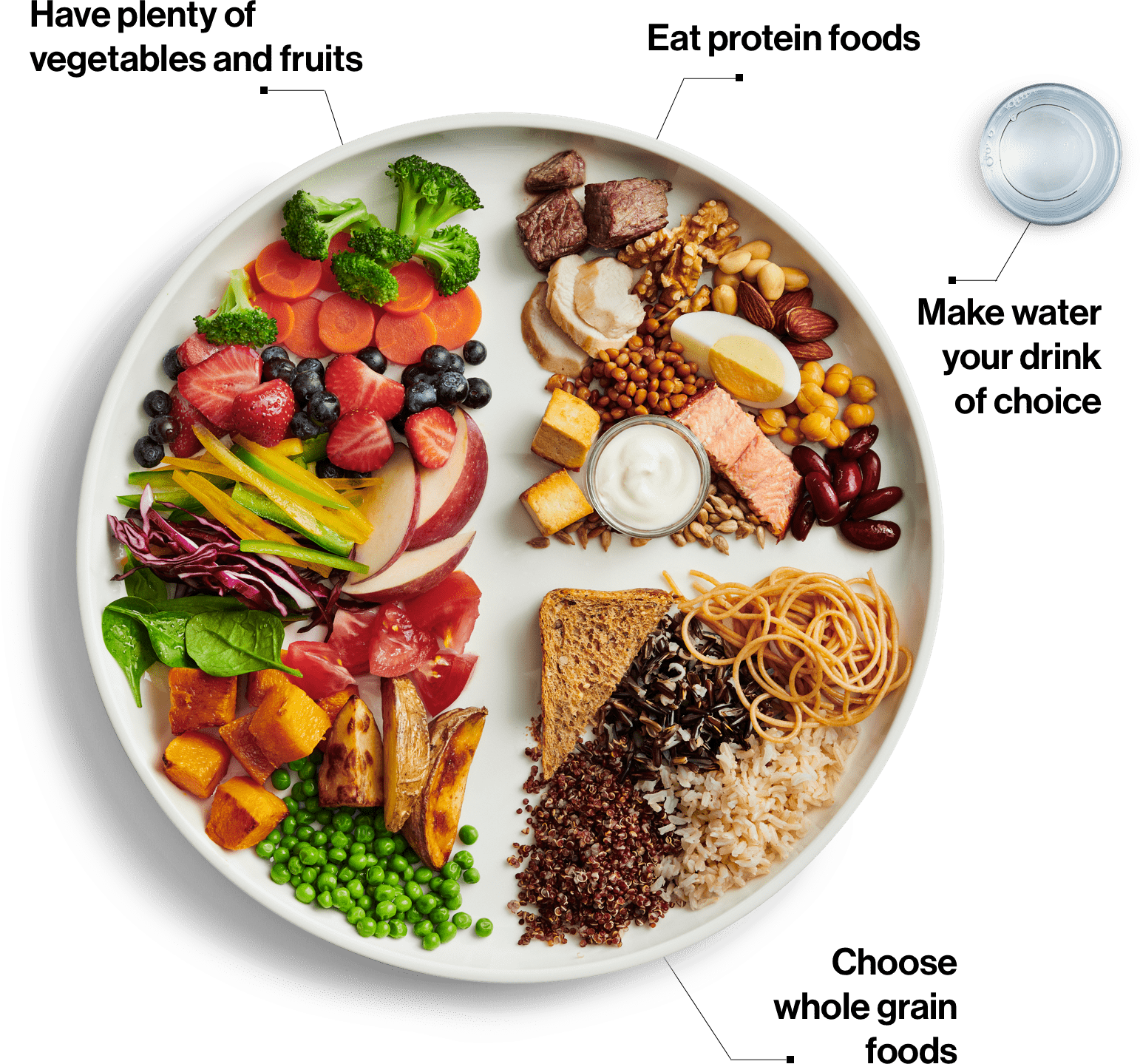
What is the top thing shown on the plate here?
You can engineer healthy food. The problems isn't the processing. Its that most people who are engineering food do not have "healthy" among the goals.
We're conflating "designed" with "designed recklessly".
It matters because a lot of people can't afford the diet suggested here. The messaging needs to distinguish between adding protein powder because there's no meat available, and living on Cheetos because there's no meat available, and "highly processed" fails to do that.
Good initiative from the government, i wouldnt have expected them to do something that messes with junk food corporations profits like this
For comparison think about smoking. Imagine a government 70s ad that says "As a nation we are now not smoking and showed people enjoying themselves without a cigatette", but in addition cigatettes carry on being sold anyway. The addiction wins.
I also don’t like the emphasis on meat protein. Small amounts of meat protein a few times a week are definitely healthy for most people, but organic (not soaked in pesticides) beans, lentils, etc. are almost certainly a healthy way to consume extra protein.
I sense the ugly hand of the meat industry in realfood.gov. I think if more people understood how (especially) chickens and pigs are tortured in meat production, it would help people who are addicted to excess meat cut back on their consumption to just what they need for good health.
EDIT: the documentary movie The Game Changers (2018) is an excellent source of information. The scenes interviewing huge muscular vegetarian NFL football players really put the lie to the ‘must have meat’ addicts. That said, I still think small amounts of meat protein are very healthy for most people.
- More protein (than the prior RDA of 0.39g/lb) can lead to inadvertent caloric restriction and weight loss, and obesity is driving a large number of negative health outcomes. Also improves lean mass (muscle) retention during weight loss.
- Processed foods have lower satiety per calorie, and hence can lead to the same outcomes described above.
- Most people can benefit from eating more fruit and veggies. (Lots of people who change to vegetarian inadvertently eat significantly fewer calories because the food is not calorie dense)
The one glaring part I have a hard time reconciling is:
- This new Real Food guide seems like it's going to increase people's saturated fat intake, which is not good. DASH/Mediterranean diet seems to be a better model than both the prior and new pyramids.
6-11 servings of grains, 3-5 veges, 2-4 fruit, 2-3 dairy, 2-3 protein (all sources), minimal fat was absurd and bad. Protein is until you hit your needed macros. Fats are as needed. Processed grains are basically empty calories. a cup or two of whole grains is all you really need and thats it.
These are the prior recommendations: https://lgpress.clemson.edu/wp-content/uploads/sites/3/2024/...
100% evidence based but not branded as contrarian by a bunch of Instagram idiots so people assume they didn’t exist.
"There's only one thing I hate more than lying: Skim milk. Which is water that's lying about being milk"
Weird branding and culture war stuff aside, this is probably the least objectionable thing this health administration has done.
That said, I don't know if this would actually move the needle much. The Japanese diet includes so much more processed foods and less protein and they still live longer, healthier lives. I think the ultimate factors are still portion sizes, environment, activity, and genetics.
Pasteurization saves lives. Flash-frozen foods retain more nutrition in transit, while freezing seafood kills parasites. And even the best bread and butter are as processed as food can get.
I'm reading the "chemical additives" list and it's a mix of obviously harmful things with known safe things added in trace concentrations - there's no intellectual rigor and a lot of fearmomgering.
I'm not opposed, as protein seems to be a good target to prioritize, but claiming there's a war on protein just seems so out of touch to the point of absurdity. It's practically the only thing that people care about right now.
The normal recommended daily intake for protein is 0.8 g/kg. 1.2-1.6 is silly; that's a recommendation for athletes.¹
Starches have been a dietary staple in pretty much every society forever. Sugars have not. It's silly that they treat grains as a "sometimes" food.
There's also the weird boogeyman of "processed food." Almost all food is processed to some degree & always has been. We've been cooking, baking, juicing, fermenting, chopping, grinding, mashing, etc. long enough that it influenced the shape of our teeth. Certainly we haven't been making Pizza Pockets that long, but the issue there isn't processing, it's ingredients. And the reason people buy Pizza Pockets isn't that they think they're healthy—it's that Pizza Pockets only need to be microwaved, and cooking a real meal takes time that a lot of people just don't have.
[1]: https://www.strongerbyscience.com/athlete-protein-intake/
The few friends I've known were attempting ketogenic diets over the years kept focusing on the protein side when the actual diet is supposed to be dominated by fat. They've all experienced kidney problems of one sort or another, surprise surprise!
Most of which are loaded with crazy amounts of sugar to make them taste good.
Have you ever looked at the label on a cup of non-plain "Greek" yogurt? (Which is 90% of the yogurt aisle.)
It’s not the healthiest food, but it’s a much weaker risk factor than diets high in processed foods (including processed meats), refined carbs, added sugar, and excess salt.
For adults (25–64), the biggest diet-linked contributors to cardiometabolic death were sugar-sweetened beverages and processed meats. [1]
also form the paper:
High sodium intake → ~66,000 deaths (9.5%)
Low nuts & seeds intake → ~59,000 deaths (8.5%)
High processed meat intake → ~57,000 deaths (8.2%)
Low seafood omega-3 intake → ~54,000 deaths (7.8%)
Low vegetable intake → ~53,400 deaths (7.6%)
Low fruit intake → ~52,000 deaths (7.5%)
High sugar-sweetened beverage intake → ~51,000 deaths (7.4%) Low whole-grain intake → ~41,000 deaths (5.9%)
High unprocessed red meat intake → ~2,900 deaths (0.4%)
(Full table is on page 5 of the linked paper)
[1] https://episeminars.web.unc.edu/wp-content/uploads/sites/754...
I was amused to see (kilo)grams used for the weights. I'll admit that as an American, I have no idea what my weight is in kilograms. Body weight is something that I always think of in pounds. I do use grams sometimes in food prep, but I think even that makes me a bit of an abnormality around here.
Not that I am complaining about their unit choice. I think American's would do well to be a bit more "bilingual" in our measurement systems. Also, the measurements they give are a lot easier to parse than 3/128 oz per 1lb bodyweight.
I am consternated at the proliferation of refined grains. Here are my USA observations:
  - Grocery store or Amazon etc: Whole grain breads and flours are in the  minority, but it's possible to get them

  - Restaurants and bakeries: Impossible to find whole grains; 100% refined
A small flour mill is not that expensive, I wonder why more places do not grind their own flour?
On the other hand: it's not like anyone ever followed the old food pyramid either. I'm now over here waiting with baited breath for the US federal govt to introduce some kind of regulation around the amount of additional sugar, salt and fats in processed food sold in the US (which makes up a large proportion of what people are eating right now).
The food landscape is complex and multi-factorial. I hope that they follow up with other initiatives to improve nutrition at a population level, like regulation and nutrition programs.
Example: Curry has and average of 10-15 ingredients. Malaysian 15-20. Thai: 15–20. China: 10–16. Indonesia: 20–25. Mexican Moles 20-30. Etc…..
note: I expect this is unintentional. The authors of the new recommendations think more ingredients = processed. But it still ends up being an accidental judgement against other cultures.
Indonesia — 20–25
Malaysia — 15–20
Thailand — 15–20
India — 12–18
Mexico — 12–18
Ethiopia — 14–18
China — 10–16
Vietnam — 10–16
Morocco — 10–15
South Korea — 10–15
Italy — 4–7
Japan — 5–8
France — 6–9
Spain — 5–9
Greece — 6–10
United Kingdom — 5–9
Germany — 5–9
Austria — 5–9
Switzerland — 5–9
This is some seriously radical stuff, if you take it literally. Every single meal you eat "must" prioritize protein? Why? Who is lacking protein in America?
https://www.ruokavirasto.fi/en/foodstuffs/healthy-diet/nutri...
https://food-guide.canada.ca/en/
Discussion in 2019: https://news.ycombinator.com/item?id=18985017
Also I'm no health expert but this seems like a ton of protein. I'd like to see what a day of this diet looks like
Thank you for saying this. It immediately drove me crazy.
Just turn the darn thing over. I won't even complain much about having the bottom bulk be "meat, vegetables, and fruit" with just a tiny layer of grains at the top. But this is a funnel, not a pyramid.
In a 2000 calorie diet, 7-9 servings summed over fruits, vegetables, and grains vs. 6-7 servings summed over protein and dairy. 3-4 servings of protein where a serving is 1 egg or 3 ounces of meat means eating a meatless 2-egg breakfast and maybe a single hamburger patty at lunch and that's pretty much your daily protein.
Hardly some carnivorous revolution.
If you're overweight, your protein target should be based on your lean mass, not your excess mass. While you can have more, you're likely better off conserving the calories.
Also, personally, I tend to recommend at least 0.5g fat to 1g protein. This seems to be pretty close to what you get from a lot of healthy protein sources and given that you actually need a certain amount of essential fatty acids for your body to function, I find this helps from digestion, glucose control, satiety and even weight loss.
Are they saying Real Food™ is incompatible with vegetarianism?
Yes, I see the National Design Studio built it -- but presumably they aren't the ones writing nutritional guidance. Is this FDA? HHS?
This newest iteration appears to have had input from HHS under RFK Jr: https://www.nbcnews.com/health/health-news/us-dietary-guidel...
A simple do / don't list serves this better:
Do: - Do consume more legumes or beans, lentils and peas. - Do consume more fish (low lead options) - Do consume more vegetables and fruit
Don't - Don't consume alcohol or other harmful drugs - Don't consume sweetened items (either added sugars or artificial sweeteners) - Avoid processed food (try to cook as much as possible)
Feel like this is more helpful for 99% of people.
https://en.wikipedia.org/wiki/Kefir
If you're stateside, you can buy it at Publix and other groceries: https://www.publix.com/pd/lifeway-lifeway-original-plain-kef...
What is EVOO btw?
American's don't seem to have a protein restriction problem. Look at your average burger, it is mostly meat, a bit of lettuce, and a bunch of low-quality bread.
I had a "salad" in SF when I was visiting, it was the largest chicken breast I've ever seen, a bunch of bacon and I had to practically go searching for the few leaves of spinach.
Lastly, is it really the guideline that are going to help, or is it accessibility?
Things went well as long as mind was a servant of the body. Then it became the master and dictator of body. The mind started posing itself as a scientist and started questioning everything that were well-tested over centuries. It came up weird things such proteins, vitamins etc, but it forgot that what mattered was the big picture.
Body suffered silently as it lost it's most critical servant whom it trained over millennia.
It was enough to know that water flows down the slope, apple falls to ground, Sun goes around the Earth and life follows a rythm of seasons. Human life never needed Kepler's laws, relativity, quantum physics, computers, cars or sugar.
It's not too late. Listen to your instincts and body signals. Live on a farm (farm means crops and gardens, not just animals). Eat like your ancestors did. Eat less, eat varied food, more of greens and grains, mostly raw with a bit of cooking or heating.
The rise of Ultra Processed Food (UPF) is almost inline with the explosion of waistlines around the world. Not to mention several large scale studies have found clear links between high UPF consumption and cognitive decline, dementia and Alzheimer's. In the West, 60 to 80% of peoples diets are UPF.
What we eat is both a short term (overweight and obese people bunging up the public healthcare system) and long term (elderly people with dementia and Alzheimer's clogging up the social care system) catastrophe.
Generally if it's coming in plastic wrap, you don't recognise stuff in the ingredients, or it has a ridiculously unnatural sounding lifespan, it's UPF.
It's disturbing how penetrative UPF are in the food market. I bought an "Eat Natural" cashew and blueberry with yoghurt coating bar this morning. Of course, very unnaturally it has sunflower lecithin, glucose syrup, palm kernel oil and palm oil vegetable fats, making it technically NOVA class 4 UPF.
Ideally the bulk of the volume that you eat should be vegetables and fruits. Meat as nutritionally required/when you like it. Meat at every meal/every day is not needed. Grains are a good filler, but vegetables and fruits are king.
For most people ‘stop drinking sugary drinks ever’ would probably make the biggest life change.
And ‘the athletes plate’ would be the runner up bit of advice if you want something simple - half th plate veggies, 1/4 complex carbs, 1/4 unprocessed meat.
If you want to do it with complexity, count your macros.
But why use one of your best resources for research..
https://nutritionsource.hsph.harvard.edu/healthy-eating-pyra...
I think Kris Sowersby is my favorite contemporary typographer.
https://klim.co.nz/collections/untitled/ https://klim.co.nz/collections/tiempos/ https://klim.co.nz/collections/soehne/
- there is no way that any of the fish I am eating was from polluted water or contains any harmful chemicals.
- there is no way that any of the meat I am eating was sick, raised in horrible conditions, had cancer, had significant wounds or puss-producing sores, was fed the feces of other animals, was fed chemicals or hormones, etc.
- there is no way that any of the vegetables I am eating were watered with dirty water or fertilized or exposed to pesticides that are not 100% safe.
Nutrition is important, but this administration's health policy under RFK Jr. is an unmitigated disaster.
Is that a bad thing? I'd rather people eat single ingredient foods and foods without labels (fruit, veg) than neon green cereals. I guess my point here is that it's a little sad the 'right' outcome was as a result of heavy lobbying.
The correct order should have been greens > proteins > carbs for an overweight nation.
We bought a soft drink for holiday game watching — Dr. Pepper with berries or something — and despite a shrink-flated can, it had something like 71% DV of sugar in it. That seemed excessive (and I ended up rate limiting them because of it), but it is frustrating to need to constantly treat the products around me like they're trying to sabotage me.
The Americanised diet had a heavy emphasis on refined carbs, added sugar, added fat, and no fibre. Thats a far cry from whole grains and pulses, which have been researched extensively and are thought to be healthy.
- Despite folic acid in processed foods causing ADD and other problems in those with MTHFR mutations like me, folic acid does help prevent birth defects.
- The U.S. doesn’t produce, transport, or store sufficient quantities of organic fresh food to feed the entire country, nor would schools all have access to it.
> Protein target: 1.2–1.6 grams per kilogram of body weight per day.
Regardless, there's nothing here (aside from the odd scrolling layout of the page itself) I can disagree with. I'm already following this "diet" in the most part anyway, and that's without consciously thinking that much about it.
- examples of real food
- "coming together", as in being focused on
- zooming away, as in being spread and disseminated widely
It contrasts with the slick, professional look of the rest of the page, showing heart and passion for the message.
1. Eat food 2. Not too much 3. Mostly plants
Though the government's position seems to be at odds with #3. I would encourage more beans and greens, personally.
https://www.poptarts.com/en_US/products/new/pop-tarts-protei...
The only difference is that meat, fat, dairy, fruits and vegetables are grouped together with this new pyramid with grains on the bottom. while south park puts fats -> meat and dairy -> fruits and vegetables -> grains as the order.
Snark aside, american food culture is geared towards people working hard manual jobs, rather than desk work. It was fine in the 70/80/90s when people were still doing that kind of job, but times have changed. If you're burning 2k calories at work, you need a high calorie, high salt meal to replenish what you burnt/sweat out.
I would also gently point out that a "balanced" meal is generally better than a protein heavy meal. It also is highly dependent on your genetic makeup. I am much less sensitive to carbs compared to my Indian friend, My family also doesn't have a history of type 2/1 diabetes.
I'm also not sure how this is going to be balanced with farm subsidies.
It feels a bit Orwellian in some way - Oceania is always the enemy, Saturated fat was never the enemy.
Meat is ok, I try and consume fish and chicken with the odd bit of beef, but the amount of chemicals that goes into processed meat like sliced ham would make a chemist blush.
I wrote a light hearted blog piece just before the new year on giving up processed meat if anyone is interested:
https://tomaytotomato.com/no-ham-anuary/
Also mandatory South Park clip:
But this statement on the home page of that website is preposterous:
"For decades we've been misled by guidance that prioritized highly processed food,"
What guidance ever suggested eating highly processed food? Other than ads of course, but this implies medical guidance. Doctors, nutritionists etc. have been pushing minimally-processed fruits and veggies and avoiding highly-processed food for decades.
What a horrible attempt to portray this as somehow "new" guidance by a "newly enlightened" leader (aka RFK).
Doesn't seem terrible but that already makes me very suspicious of the reliability of this
Additionnally, it is generally cheaper to eat at a fast food place than to actually cook at home. And since people don’t have time to go back home and cook something for lunch, they just eat at subway’s, domino’s or mc donald’s.
And since this has been going on for more than a generation, today’s grandparents don’t even know how to cook from raw ingredients anymore.
The US is sick, but change doesn’t start with food, it starts with fixing the economic inequality.
The world needs less America. Even in food guidelines.
That was not the case a decade ago.
Cooking is processing. Pasteurization is processing. Not all processing is "bad".
To be consistent with their supposed "values", then they have to end subsidies for field corn, wheat, and soy and subsidize organic produce. That will never happen because these are lifestyle influencers playing bureaucrat when they don't know anything.
Total calories will be 1,608 kcal/day.
It's a very depressing diet menu.
Eggs, aside from some of the disease issues are also a very good, nutritionally complete source of protein that are relatively inexpensive.
Another issue is that people have been conditioned to eat/snack all the time... a lot of people have moved towards 2-3 meals a day which is closer to historical norms... have protein be your main source, with vegetables as a side, and maybe bread/pasta at some meals.
There are also beans/legumes if you can tolerate them.
If I saw that there was a Walmart in town, I perked up. Consistent, low-priced and large number of grocery items. Likely better than an unknown, variable, often poorly stocked local grocery (or worse, groceries at a gas station/convenience store).
I also liked seeing the economic diversity of customers that I wouldn't see at home.
In larger cities, I'll choose other groceries if I can for better selection, if not better prices.
Of course, except for maybe Sprouts, all the places I shop emphasize ultra-processed corporte interests.
Since this is an official US government website, are we now officially using metric?
https://papersplain.com/sample/62d71c8ecb6411e042f346088c231...
This guy is my hero:https://arstechnica.com/health/2025/01/florida-man-eats-diet...
- Michael Pollan
Am I missing something?
It also seems like the bigger protein portion over veggies is strangely what I would expect from someone on TRT...
Why, WHY, does this page act like an Apple marketing page and require so much scrolling??? Thanks. I hate it.
Is this true ? I don't think the blame is to place on the previous guidance but people just you know food engineering and natural laziness, no ?
If you go to farmers and ranchers directly, source your protein well, make a monthly trip out to the boonies, cross state lines, etc, you can get some serious savings. Hopefully things trend down this year, things have been rough over the last several years.
Or just talk about how good it is while they let people subsist on the most calories they can get for their dollar?
Also - great... another website as "governance". Put out a press release - it's solved!
It worked I feel better and a few other things... My eye sight improved and my beard, leg and arm hair increased, noticeably.
The cost of living issue could actually work in favor of those with less money as they can afford less of the unprocessed meat and cheese, and would have to 'settle' for more lentils, frozen vegetables and other incredibly healthy and inexpensive food.
yes, I know the cultural reasons that will make this switch highly unlikely, but that is disconnected from the pyramid.
The popular takeaway from the pyramid will not result in a decrease in the popularity of takeaways, ready meals and other UHP foods.
The polarization of the debate is as unhealthy as the eating habits that desperately need changing.
Grains are way too high in carbohydrates and even whole grains tend not to be complete proteins. Eating little but bread, whether it's wheat or spelt or something else, will malnourish you.
The impacts of health of processed grains is large. The impacts on health of GM'd grains is zero.
It might even be better messaging than the healthy plate because it shows the foods visually which is what some people need to see.
Democrats should not reflexive be against this just because they don't like the current president or HHS secetry. Same thing with the restrictions on buying soda and junk food with SNAP.
The supermarket is filled with processed food. Black cat/White cat whatever catches the mouse. The push to eat real food is good. Embrace it even if you don't like people behind it.
It's not scientific and that's exactly what you'd expect out of RFK and MAHA movement.
The intent was good....perhaps... but the processed food manufacturers made bank.
I guess we still call it New York...
WTF is this even referring to? literally everyone here is _obsessed_ with their protein intake, regardless of whether they're a meat-eater or not. of all the things America's at war with, protein is definitely not one of them.
You won't believe or accept the new Orthodoxy.
But your children will.
This is an extraordinarily dangerous false dichotomy and misrepresentation. This government is killing people.
https://www.theatlantic.com/health/archive/2025/09/maha-lets...
Nine pages is laughable and sad. There are entire missing sections on different life stages and transition foods. (edit: I see it now, I scrolled by it because it's way shorter than it usually is) That kind of sensitive guidance on nutrition is supposed to come from this document - which is usually 150+ pages and includes input from committees of registered dietitians.
I'm glad some people are enthusiastic to find nutritional clarity in their lives but I can't imagine this is going to be helpful for the institutions or people that usually rely on it.
Also, please remember this secretary is actively ignoring a measles outbreak, has an obsession with instagram health fads, and is a disgrace to the global scientific community.
This young woman did an excellent explanation of the overall state of things in a YouTube video, for anyone that wants an intro. https://youtu.be/s64PNMAK92c
And given that we know that red meat is probably carcinogen it's insane for anyone to recommend its consumption. You should be eating as little of it as possible and focus on fish, beans and poultry. Ironically there are basically no recommendations anywhere to eat more beans.
Is so blatantly clear to me that the USDA and RFK jr got bought by the meat and dairy industry that's not even funny
I mean, the site runs like ass on my machine and gets the scrolling wrong a lot
But the recommendations are actually pretty good, and I even think the wording and tone is right, and I think it could stick in the minds of modern generations.
It does a good job of not pushing or engaging in any sort of BS conspiracy against seed oil or telling you to eat raw bull testicles or any bullshit.
Though, to be frank, this is what the entire medical establishment has been saying without fail for over 30 years. This was known when we built the original Food Pyramid. We expanded the grains category in it because of grain grower lobbying, and it was known to be not that important, though a grain heavy diet would have been a beneficial recommendation a hundred years ago when America was less wealthy.
The food pyramid shown here was replaced by the Bush Jr admin 20 years ago. Then we had a short lived pyramid that made no suggestions on amounts, and encouraged physical activity, and that was replaced by MyPlate which hilariously puts "dairy" in a glass as if you should regularly drink milk and not otherwise consume dairy.
My one qualm is that 100g per normal sized person of protein per day I think is a bit much, but Americans already do that for diet choice reasons. It really should be more plant food than meat.
But the official medical guidance has been identical for my entire life at least: "Eat a varied and balanced diet, don't over snack, don't drink calories, eat lots of plant fiber, eat basically anything in light moderation, exercise"
Oh sure, the tabloids at the checkout always have some diet fad. It was never supported by science or recommended by the actual field of medical science. Even during the 90s when we supposedly demonized fat, that was primarily diet culture.
The reality is knowing "what is a healthy diet" hasn't been the limiting factor in several generations. People aren't fat because they think chips, soda, and chicken nuggets are healthy for heavens sake.
I thought the analogy was supposed to be a stable (wide) base forms the foundation of your diet.
There's a picture of a loaf of bread next to the word "whole grains".
Does anyone have other examples?
They are against transit funding, urbanism, bike lanes, etc, and are pro-automobile and pro-car-dependency. Remember when Republicans literally killed high speed rail in Ohio?
They are essentially anti-city almost as a base concept. See all their political jabs at cities like New York, Chicago, and San Francisco. One of the healthiest states in terms of obesity rates, California, is the party's punching bag.
The party is trying to end ACA subsidies and is against universal healthcare and access to preventative care. How will Americans access dieticians and nutritionists if they can't afford private health insurance?
How will Americans eat real food if Republicans decide to hold food stamps hostage every time there is a budget dispute?
Trump himself is known to be anti-exercise on a personal level. [1]
[1] https://nypost.com/2026/01/01/us-news/president-trump-explai...
I don't get the 'For decades we've been misled' though - what guidance prioritiezed highly processed food ? From the look on both pyramids, they pretty much recommend the same things, in different proportions (more proteins now, less carbs) - but I don't think any reasonable guidance promoted highly processed sweet carbs before.
Frozen vegetables are pretty cheap and easy to warm up quickly in the microwave or an air fryer. They may not be as good for you as fresh produce, but that can be a reasonable tradeoff based on the season and free time.
Chest freezers are reasonably cheap to buy (new or used) and cheap to operate, assuming you have the physical space and an open electrical outlet. They don't consume much electricity, mine uses about 75W for the compressor (when it's running, which is less than 50% of the time) and about 250W for the defrost heaters (which seem to turn on for about 15 minutes roughly once per day.
Two more things I think should be considered:
1. Change the Nutrition Facts labels to say "Lipids" instead of "Fats". Seems like no matter how many times "fat doesn't make you fat" is repeated, many people are still scared of consuming fat.
2. Reconsider or recalculate the old 2000 calorie per day guidance. I have no actual data to support this — fitness and nutrition self-experimentation is just a hobby of mine — but I have a feeling that the "Average American" (which may also need to be defined somewhere) probably only needs around 1500 calories per day to maintain a healthy weight. There is obviously a wide range of needs depending on height, activity level, occupation, etc. but I feel like if someone is considering a 500 calorie treat, it would be more helpful if they thought "wow this is 1/3 of my daily calories... maybe I should split it with a friend" instead of "meh this is only 25% of my daily calories <chomp>"
We need to eat real plant food.
Things like the composition of school lunches were determined for years by the recommendations that formed the shape of the food pyramid. What gets subsidized with SNAP and WIC was determined for years by the recommendations that formed the shape of the food pyramid.
The depiction of the recommendations does get fixed in people's minds. And then when actual guidelines come out for things that actually matter, like food programs, people expect them to correspond to what they know of the guidelines.
It's not that different from any corporate rebranding announcement. They show you the new direction they want to take the company with new imagery. You don't laugh and roll your eyes and say, "Suuuuure. Show us some new pictures. That'll fix it." You evaluate the direction the imagery says they're trying to go to decide if you think it's an improvement.
So, is eating "real food" like meat, vegetables, and fruit an improvement over a diet based on (especially processed) grains for people's health? Of course it is.
I'm not a fan of this government (or anyone else's, really), but I also think the people who are most likely to take this administration's word for it on something like dietary change are statistically among the people who would most benefit from this kind of dietary change, so I sincerely hope this works, and I'm glad to see they're trying to steer it this way. Even if the damn pyramid is upside down and looks like a funnel.
That said, if you don’t like it, disregard it. No one is forcing you. I think it has too much emphasis on protein but that’s just me.
These guidelines theoretically could influence school lunches. Will it make them worse or better or change nothing? ¯\_(ツ)_/¯
It was replaced with a rainbow-like pyramid in 2005 which completely negated the concept of a pyramid, and then a circle (plate) in 2011.
We need to stop bringing up the food pyramid that everyone already agreed was bad and replaced 20 years ago.
...wait, you mean to tell me extraordinarily few Americans actually listened to guidelines? That this is all performative nonsense?
Honestly, it isn't as ignorant as I expected (although it of course pushes for "whole milk" and other bits of ignorant advice), but it's basically playing on the ignorance of the readers. Americans already eat some of the most amounts of protein worldwide -- yet of course proclaims an imaginary "war on protein" strawman -- yet also are one of the fattest and least healthy countries.
People actually following the prior guidelines in earnest would likely be in great metabolic shape. But Americans don't: They gobble cheeseburgers and drink a dozen cokes and complain that stupid big medicine is trying to con them, while reciting some nonsense a supplement huckster chiropractor told them on YouTube.
Cholesterol only comes from animals. Non-animal protein sources are much safer and healthier for humans to consume. This website is not science, it's ideology.
But we already knew that's all we could expect from RFK and this administration.
We were aware of the problems associated with carbs and sugar consumption and we tried to find alternatives so we switched to 0% sugar foods. It turns out that most of them are filled with sweeteners, mostly sugar alcohols, and they have worse consequences.
In fact, anything that you ingest, and it is not absorbed by your digestive system, must go somewhere. Sugar alcohols can be fermented by the gut bacteria causing other kinds of problems. I would say that the best thing to do is to reduce/remove sugar from your diet without trying to find substitutes.
By the way, my partner went to her GP (NHS) and they just dismissed her case by just saying. "Oh, we believe you have IBS". That's it, case close.
If the message is “eat plenty of protein and fiber” beans and legumes are a great food that has both.
thoroughly discredits what they are trying to do, even if there is some good in here.
Yet, I see absolutely nothing on this website to suggest how they are going to change American diets. Do they think these guidelines don't already exist somewhere?
One of the problems with the way we live and work is that it's so easy to go for the quick option. If you're working 60+ hours a week or trying to run a busy household, unhealthy food options are really attractive for you because they're so convenient. People generally know what good food is, it's just that they make the sacrifice because there's other things going on in their lives.
I've said things like this before and people respond like "well, I run my own business and raise a family and volunteer at my church and so on and on... AND cook perfectly healthy meals 3 times a day!" That's awesome for you, you're amazing, but let's get real.
I'll also get plain beef patties or grilled chicken breasts from misc fast food places in a pinch.
This is a good start. A start. The folks at the top, including RFK Jr. are still captured by big industry.
We need to get off of corn syrup, artificial ingredients, and harmful preservatives.
That said, food deserts still exist, and real whole food is expensive, especially in a time of dire economic stress. I thought that's what subsidies were for, but apparently they are for enriching Big Food / Big Ag executives, their lobbyists, and their bought-and-paid-for congresscritters.
We also need to realize we've been duped for generations into liking things that are overly sweet. Sweet is fine, but we don't need to add stevia or sugar to everything. One of my biggest walls of resistance that I see regularly with my own products is that people have been conditioned to expect that everything in my vertical is super sweet. Just last week I had a parent complain at a sampling that my drink wasn't as sweet as Prime, and thus it's shit. Prime has over an ounce of added sugar in its bottles. I'm marketing to an entirely different set of consumer, too. I offered her a million USD in cash if I could name 10 ingredients on a Prime bottle, and she'd tell me what the ingredient was for, why it helped her son, and the natural origin of the ingredient. She accepted, couldn't get past 1, and then told me that it didn't matter - her son liked what he liked and that's what she was going to buy. We've spoiled generations of people into accepting super sweet things with no idea of why something is or isn't sweet.
One thing I also do is that (i have the luxury of time to do this, which I recognize is something not everyone has) if i want something really sweet and it's not a fruit, I generally make it myself. If I am having a birthday party, I'll make the cake myself. If my nephew wants to leave christmas cookies out for Santa, I'll make them myself. If I want ice cream, I have an ice cream machine and I'll make it myself.
I can still routinely get potatoes in season at 20c/lb, carrots in season at 40c/lb, bananas at 60c/lb, dried legumes at $1/lb or not much more, frozen ground meat in the ballpark of $3/lb, eggs for less than $4/dz (almost as much protein as a pound of fatty meat), boneless skinless chicken breast under $5/lb, butter and cheddar cheese at right about $5/lb, 2% milk at $1.25/L (skim milk powder is a bit more economical if you don't want the milk fat)...
In less healthy options, white flour at 45c/lb, polished white rice less than $1/lb (sometimes as low as 70c), rolled oats at $1.50/lb (though I'm leery about the glyphosate), select dried fruits in the ballpark of $3/lb, bacon at $3.60/lb...
all $CAD, by the way. I converted weights but not currency. Last time I looked at American food prices, you guys had way cheaper meat than us after currency conversion.
> One thing I also do is that (i have the luxury of time to do this, which I recognize is something not everyone has) if i want something really sweet and it's not a fruit, I generally make it myself. If I am having a birthday party, I'll make the cake myself. If my nephew wants to leave christmas cookies out for Santa, I'll make them myself. If I want ice cream, I have an ice cream machine and I'll make it myself.
... Generic sandwich cookies and tea biscuits under $2/lb (though they used to be considerably cheaper)....
I absolutely agree with you about the sweet cravings, though.
Rather than reading it, assuming it was fact based science. Maybe not the best because governments never get things 100%.... but at least able to trust it. Now specifically because this is RFK's MAHA world, I assume everything on this site is a lie.
After reading through it I don't see anything terrible or stupidly over the top. Yes, more proteins and vegetables good, less heavily processed foods.
64oz rare porterhouse breakfasts is it.
Neat.
(shows picture of butter)
I'm sorry to say this, but butter, even if delicious, is not a "healthy fat". It's "less unhealthy" than margarine, and perhaps that's what they are going for.
Healthy fats are Olive oil (especially extra virgin), avocado, nuts, seeds and fatty fish.
The Scientific Report mentions Trump 4 times, so I looked up Trump's diet. Seems he eats a lot of McDonalds takeout and drinks a lot of diet coke. It seems to me that Trump's diet is an exemplary and healthy diet that follows these new recommendations, which prioritizes foods such as beef, oils and animal fat (including full fat dairy) and potatoes. Cheeseburger and fries, and the diet coke avoids added sugar, while promoting hydration. Trump might be prickly about past criticism of his diet; now he can point to these recommendations.
It is quite stupid to say that the US is sick because of processed food while ignoring poverty, education, and insurance. The messaging should not include that but what can you expect?
Sugar is the real enemy.
Also was this AI generated because Americans dont know what a Kilogram is and wouldnt use it to measure bodyweight.
Can we inform dictionaries and encyclopaedia that data is now a mass noun and it is considered archaic to use data as a plural of datum?
And if you happen to run over a bear cub, drive it to Manhattan and dump it in Central Park.
one by one
completely untrustworthy
I fully expect weather .gov at some point to be taken over, nothing is sacred with these a-holes
https://404media.co/dhs-is-lying-to-you-about-ice-shooting-a...
impeach them all
Is there any proof that "much of chronic disease is linked to diet and lifestyle"?
Is our bar so low that we give RFK credit for saying "eat real food" which everyone knows, while cutting vaccination recommendations, defunding public health and making our health care worse? The implication that chronic illness is a "lifestyle" problem is victim blaming, sure you can point to a lot of individual cases where this is the case, but the main issue is access to good, affordable food. I'm convinced the one thing that ties the varied MAGA coalition together is a belief that the problems of modern America are moral failings of the masses. Many of the coalition truly believe it, and the people rigging the system are more than happy to fund them to distract from their looting, just as the sugar industry funded blaming fat for obesity.
I don't like to be this righteous on HN, but RFK wagging his finger about how "diet and lifestyle" causes most chronic disease, which is where 90% healthcare costs go to, just upsets me. If you truly believe that, then who cares if people suffer from chronic disease. Go ahead and gut public health and the CDC, most people with chronic diseases brought it upon themselves! Doctor says "Eat Real Food".
The only hope I have is that he's committed enough to battle lobbyists and introduce more food regulations, like he did with food dye. That's the tough work, against entrenched power structures and real risk. Until then, it's all just talk.
But I'm sure the Administration will accompany this release with various programs to boost access for the bottom 50% to fresh produce, meat, etc. right?
WTF are they talking about?
Uhm... Skip
for those interested without getting angered by weird scroll behavior, see below.
too bad there's such a focus on animal protein/products, which isn't all that good if you want to design a world-wide society of billions of people that's going to last into the next 1000 years. seems like at least half of the pyramid was designed by Big Agro lobbyists. other than that, i guess anything's better than what the average american eats now.
----
Protein, Dairy, & Healthy Fats: We are ending the war on protein. Every meal must prioritize high-quality, nutrient-dense protein from both animal and plant sources, paired with healthy fats from whole foods such as eggs, seafood, meats, full-fat dairy, nuts, seeds, olives, and avocados.
Protein target: 1.2–1.6 grams per kilogram of body weight per day.
Vegetables & Fruits: Vegetables and fruits are essential to real food nutrition. Eat a wide variety of whole, colorful, nutrient-dense vegetables and fruits in their original form, prioritizing freshness and minimal processing.
Vegetables: 3 servings per day. Fruits: 2 servings per day.
Whole Grains: Whole grains are encouraged. Refined carbohydrates are not. Prioritize fiber-rich whole grains and significantly reduce the consumption of highly processed, refined carbohydrates that displace real nourishment.
Target: 2–4 servings per day.
Meta but my first reaction was they hired laid off Apple.com developers to build this.
Maybe they're trying to channel the excitement people get from a new iPhone rollout toward healthy foods.
Non-animal protein sources (like soy and beans) have very poor bioavailability.
Edit:
Actually make that simply .*\.gov$
It's unbelievable to which point this clown show has permanently dismantled US soft power. Guess they think they have enough hard power to compensate. What with all that good raw milk and meat they're eating...
0,9 grams per kg of LEAN weight is more than enough for normal activity.
You don't need to feed the fat any protein as it will only accumulate more fat.
And food produces a third of the emissions of humankind out of which full vegan would obliterate two thirds as in total of 25% of our emissions. Add the land use rewilding effect of 50-100 gigaton and we'd be net neutral with this one change.
Considering the iconic burning Macdonalds video and this recommendation we seem to be doomed.
I'm lovin it.