I can't find any references for your stated claim about Connecticut, however it seems deeply illogical given that a generator (which surely aren't banned), solar panels, wind, etc, all have the potential of feeding energy back to the grid in an outage. Which is why there are regulations and home inspections and all of that, to ensure that the appropriate safeties and switches are in place. Simply banning one of many possible mechanisms of generating power would be very short sighted.
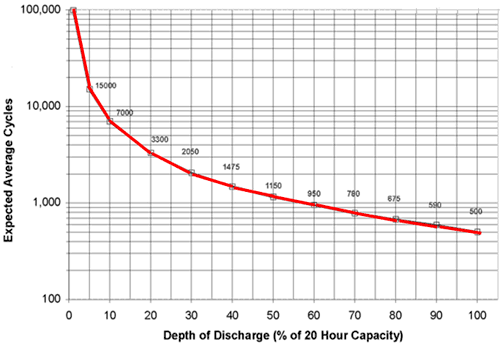
Many regions that offer feed-in time-of-day tariffs are rightly trying to figure out how to accommodate battery systems, where some users are trying to game the system by charging a big battery array during low cost hours, and then "selling" it back to the grid during peak hours (at inflated, subsidized prices).
EDIT: As a reply to msandford, given that I can't reply lower -- the reason they have this limit is that the tariff price paid to home solar/wind generators is way above the bulk, "wholesale" price of power. It was created as an incentive to encourage green energy. So when you feed back their own power to them, it does them no favor given that now they're paying 2x+ what they would pay on the normal power market for power, and simply undermines the entire incentive program.