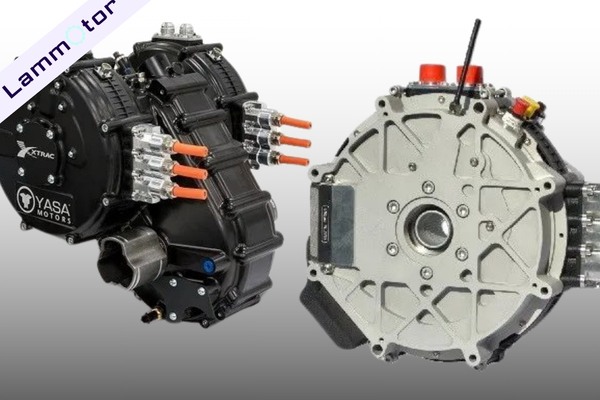
There are probably a range of application where in-wheel makes perfect sense.
Do e-bikes really need significantly more power than they have? They already run arguably dangerously fast for their application. Is efficiency not the primary target there?
The lower weight would be definitely welcome, my ebike is comically heavy compared to a normal one and sometimes I have to carry it up flights of stairs (some German railway overpasses, grr).
Also in scooters it could fit in the wheel (since the wheel is tiny and has to spin quite quickly - no reduction gear needed vs a bike with 26-28" rims) allowing a simpler design and cost savings. But maybe in scooters they're already using in-wheel motors, I'm a bit ignorant there.
Oddly, a very large majority of current fully suspended e-bikes with rear cargo racks have those racks unsprung, which suggests that most e-bike manufacturers don’t actually care about the handling of anything other than their pure e-MTBs.
Ref: https://www.cyclinganalytics.com/blog/2018/06/how-does-your-...
I'm always interested to hear about the latest in lighter and possibly more powerful and torque-y e-bike motors.
By using motors at each wheel you'd eliminate the need for a differential, saving a good 40-50kg or so. Of course, if you kept the drive shafts and put the motor and reduction box in the middle, you'd be able to use inboard brakes and save a lot of unsprung weight!
From https://lammotor.com/yasa-axial-flux-motor/
the shape is due to the change to the motor layout: https://www.thedrive.com/news/why-axial-flux-motors-are-a-bi...