The main source of microplastics in water bottles isn't the bottle that's the filters (and the residual amount in the bottle is pretty astonishing)
https://www.weforum.org/agenda/2020/09/how-to-reduce-micropl...
https://www.unep.org/news-and-stories/story/fashions-tiny-hi...
Otherwise I would recommend a good plastic RO system. One where the plastic doesn't leach loads of harmful plasticizers.
(And your comment on taste is interesting. Distilled water doesn't taste like anything (except possibly slight tingling if it "burns" your tongue), which is why minerals are often added to drinking water to make it taste "good")
Likewise with other chemicals like tetraethyllead in gasoline. We’ve known lead is toxic since Vitruvius but the first anti-knocking agent was just too useful so everyone kind of ignored it.
That on top of what others said - it's hard to predict effects and their scale before actually doing the thing that causes them. Also, it's only in the last 100 years that we learned that large-scale effects and environmental damage of various chemicals are a thing in the first place; it was hard for people to even conceptualize or imagine such things.
[0] gently bash someone on the head for decades, cut out their brain, notice it's all shrunken and weird in composition ... maybe in a culture with strong warrior and ritual cannibalism practices
Humanity is mostly reactive. Once people are harmed then we launch a decade long fight against massive corporations who gaslight us as to how safe their product is and spend millions in delaying court battles and faking positive public opinion.
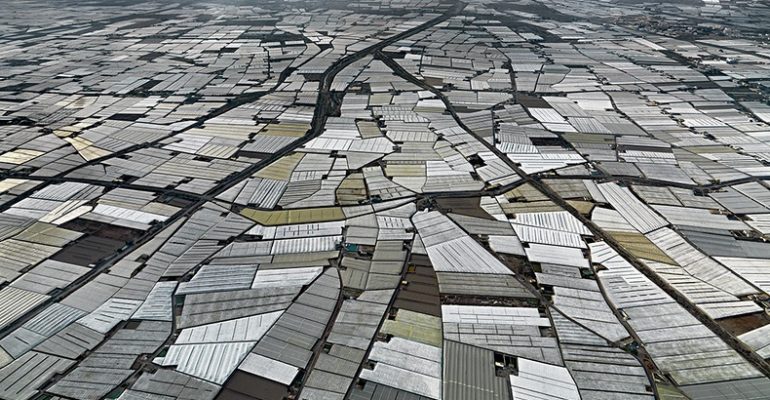
Plastic stops weeds, stops birds, is the skin of greenhouses - every step of growing seems to involve another damn square kilometer of plastic. A lot of it just degrades in to microplastics in the soil, too.
(My wife and I did a market-garden type smallholding for a while and it's damn near impossible to get away from plastic)
https://www.npr.org/sections/thesalt/2019/06/07/729783773/or...
But we could reduce them going forward with better packaging science and use of biodegradable plastics.
Depending on the type of biodegradable plastic, part of it's degradation process would be to break down into small pieces of microplastics.
- some "microplastics" are naturally occurring phenomenon
- cannot run a test without the sample being compromised
- like the presence of carbon-14 in the atmosphere after the first atom bomb, it ubiquitous enough that there is no point testing for its presence
I think there's good reason to be skeptical of all these results because of contamination. Microplastics are everywhere in a lab from the clothing scientists wear to the sample containers they use to hold everything. The most common consumables like microplates and pipette tips are made out of plastic, covered in plastic, and delivered in plastic.
We went through this same process with DNA in archaeology a few decades ago. Until the equipment was sensitive enough and labs figured out how to properly prepare the samples, they kept coming back with wild conclusions about the stuff they were studying. Stuff like taking live plant matter as controls and then not properly cleaning out equipment before testing the archaeological sample.
It's a hard problem exacerbated by the rush to publish or perish.
Tell me that's not somehow disturbing . . .