(There's merit in both approaches)
Meanwhile the shortcut command for quit is right next to the key to close a window (at least in Qwerty). That's kind of stupid, but lets not go building any grand theories to confirm our biases just based on that factoid.
The fact that they were not specifically thinking of the terminal (which you are assuming) does not mean that it was purely by chance. That's a non sequitur.
  One cool thing I learned while researching this is that
  Emacs-style keybindings work in TextEdit or any native
  OS X text area.
^A go to beginning of line ^E end of line ^L center line vertically ^K kut (cuts text till end of the line and stores it in a separate buffer from the clipboard) ^Y yank (pastes from the kut buffer) ^D forward delete (^ = Ctrl)
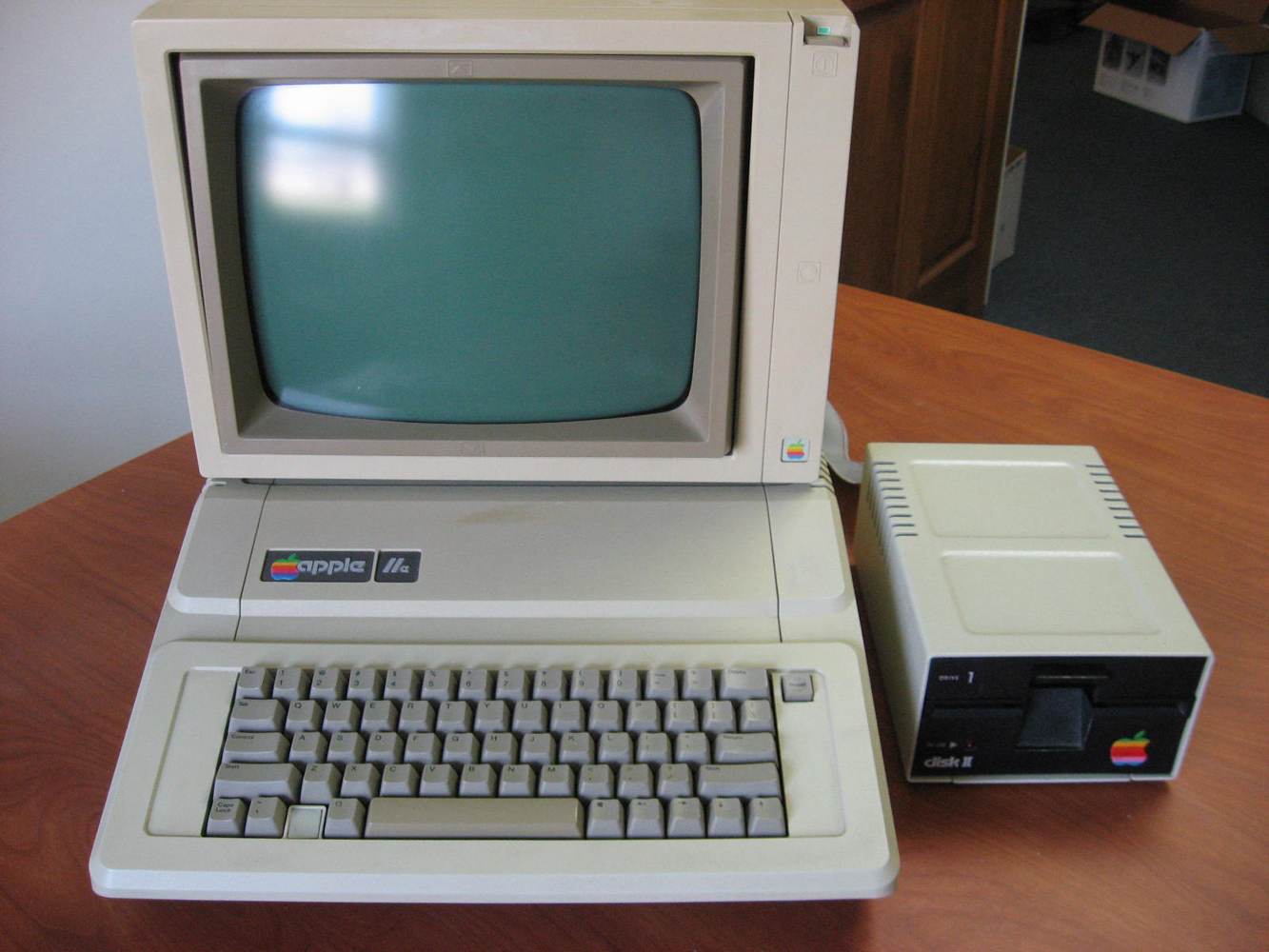
http://www.vintage-computer.com/images/apple2keyboard.jpg
http://www.oldapplestuff.com/Images/Apple2Computers/Apple2eS...
One cool thing I learned while researching this is that
Emacs-style keybindings work in TextEdit or any native
OS X text area.
Historically, the Mac initially didn't have a control key. It was introduced later to accommodate terminal emulation. There was no "legacy" to accommodate for the Mac of 1984; it was a new platform with a completely different UI from most other computers of the time. Since then Control has been increasingly used as a general modifier key -- though still limited compared to command, for exactly the reason you state.