And there's literally zero reason to insist that Collodi's description is the only way a fairy character can be portrayed in a staged version of his book.
The real problem is getting upset over the skin color of the actors and actresses playing fairies (or stormtroopers or elves or angels or for that matter any fantastical role, which is rooted in escapism and alternate realities.)
I mean, why can't we have a viking Black Panther and put Wakanda near Iceland?
> The real problem is getting upset over the skin color of the actors and actresses playing fairies
No one is upset for that, I, as Italian, am upset that some writer thinks that Collodi's story needed to be changed in ways that add nothing to it and also betray what he clearly wrote with his own hands.
The pale white skin is a well known proxy for ethereal/angelic beings, they are not white people, they are otherworldly magical creatures, made like that.
There were a lot more places where they could have added diversity, they decided to go for the most obviously controversial one.
In European and European derived culture...
What did you intend this statement to contribute?
But Disney is not making culture, they are making entertainment for making money.
Tolkien is culture, Amazon's rings of power is not.
EDIT: sorry, misread your comment, no, not only in European cultures, it's consistent across the cultures throughout history.
White is the light, first men loved light and hated dark, in darkness lure grave dangers.
For example in African mythologies fairies are white too, pearl white to be precise.
This works so well because theatre is a practice. Any play, even if it's performed once by one company (surely the mode for plays) is of the ages. Merry is black in your stage adaptation of the Fellowship, you say? Of course he is, everyone knew Isaac was going to get that role, he's a natural for it.
Cinema is a product, not a practice or a process. Like it or not, it makes a single, definitive statement about a story. It's fair to dislike it when those choices differ dramatically from those made by the author, including in matters of appearance.
If you think rabid fans won't be put off by 'trivial' things like an eye color mismatch, think again. You singling out skin color is your special pleading, reflecting your interests. I reject it. It is one of many aspects of casting in film which differs from the stage, for good reason.
I don't know why this fixation with the colour of the skin.
I was merely pointing out that they changed a character, one that was very distinctly described, that obviously would be at the center of flamed debates and cause uproar.
My understanding is that the more people talk about the movie, the less Disney need to spend in marketing it.
Of course best actor for the role, but the studio never put it that way, so they are to blame IMO.
Also, I mean, the blue fairy is called blue (it's actually turquoise in Italian) because she has long turquoise hair.
The new fairy is bald.
Kinda provocative, does it make for a more compelling story or is it for attention grab?
We'll see when the movie comes out.
Obviously for RoP, Amazon is hoping to avoid the WoT review mess.
Isn't part of the problem that there are no such stories for those who were stolen from their culture and made to work by force, kept uneducated on purpose, and weren't given the opportunity to build stories of their own?
A lot of Afro American don't speak their original language anymore, they don't know the folklore, the religions, the customs, might not even know where they came from, it's all been forgotten and erased, they're raised American now.
I feel this is where inclusivity matters, if you're raised American, but aren't, and all movies and stories exclude you, it just reminds you that you're still treated differently.
I'm definitely not very educated on Afro American stories, so maybe I'm wrong here, I just thought this is possible, it can be easy for colonized nations and enslaved people to lose their culture as they are forcefully assimilated, so decades later of this it's hard for them to make movies about what maybe is forgotten even to them.
Presumably also Ira Aldridge as King Lear.
What's especially funny about this is that your criteria disqualifies Shakespearean theater in the time of Shakespeare.
"In film and television, the audition is called a screen test, and it is filmed so that the casting director or director can see how the actor appears on screen."
> disqualifies Shakespearean theater in the time of Shakespeare
Ira Aldridge was born a couple centuries later than Shakespeare's King Lear.
Theater and movies are different media, if you wanna put up a play about Matrix you need actors that are able to act and to fight like in the movie, which I guess are not that many.
If you're shooting a movie, you simply hire stunt doubles.
Cinema is a fiction, it's not a live performance.
Most of the times main actors are there because they are popular and help the movie promotion.
It's a bit more complicated than that.
In most of the paintings you'll find Jesus has a darker skin tone (and hair)
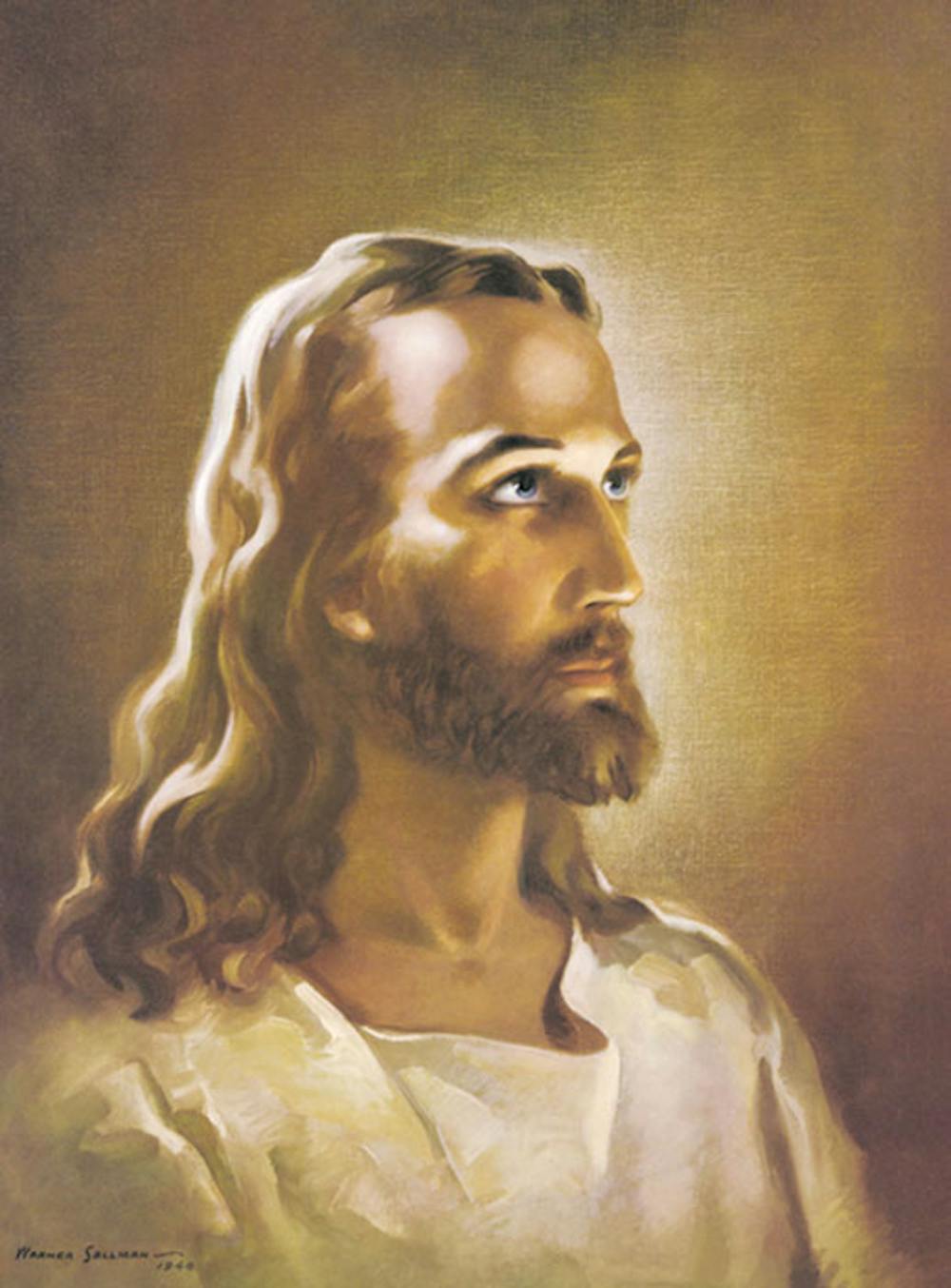
Then in 1940 Warner Sallman’s created the popular light-eyed, light-haired Christ [1], Sallman worked for advertising and marketed the picture worldwide.
[1] https://images.theconversation.com/files/346421/original/fil...
I haven't seen "Hamilton", but from what I've read it has little or no mention of slavery. When you don't have slavery in a story set in that era the character's race usually isn't important for the role so the actor's race doesn't matter.
To not target a performance with accent, race, mores, values, language would be most dull indeed. And no human tales would spread past a homogeneous population.