> What about LPDDR (low-power DDR) allows it to be faster? And, by faster, do you mean lower latency? higher clock rates -> higher throughput? This is unintuitive to me.
By faster I mean higher throughput at similar latency, achieved by higher clock rates. And it is indeed unintuitive as to how this can be done while using less power than standard DDR.
My understanding is that it's down to two major factors:
1. JEDEC has iterated on the LPDDR standards much more rapidly. DDR4 and LPDDR3 both hit the market in 2012. But then LPDDR3e, LPDDR4, LPDDR4x, and LPDDR5 were all introduced before DDR5 was.
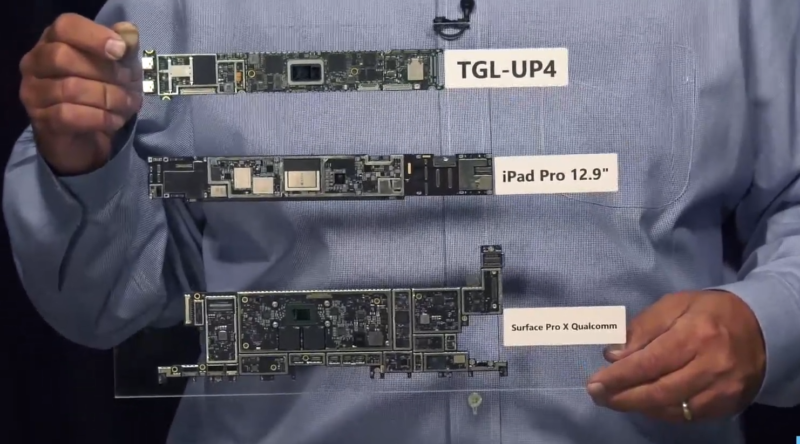
2. LPDDR isn't available on DIMMs, it's soldered only.
So given that most laptops sold by companies like Dell and Lenovo use soldered ram anyway, and that Intel and AMD both support LPDDR, then why are PC laptops with faster RAM so rare? I have no idea, maybe it costs a bit more and the manufacturers don't think they can market it as a benefit?