My point is not so much that commodity money is
stable as that fiat money is
unstable. If you'd taken the opposite side of the debate I'd be happy to tell you everything that was wrong under the gold standard: frequent, severe, recessions; a tendency to hoard cash rather than investing it productively; lack of levers for governments to influence economic outcomes.
However, I posit that all of those downsides are inherently necessary to drive innovation and increase the efficiency of the economy. Bankruptcy and unemployment is how you garbage-collect inefficient ways of doing things: you want people to lose their jobs, because that forces them to take employment in more efficient sectors of the economy. Hoarding is how you a.) amass the capital stocks so that you can deploy them on bold opportunities when they arrive and b.) ensure that people are selective about which opportunities they pursue. If you encourage people to immediately invest any spare cash because the value of that cash goes down, you encourage them to seek out any marginal-productivity activity that might remotely be cash-flow, rather than waiting for big innovative opportunities that might take longer to appear.
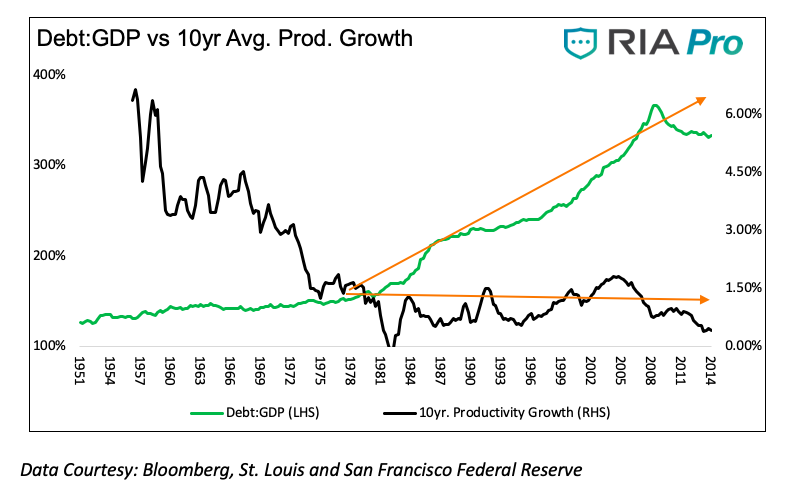
In other words, I'm saying that there's no free lunch, a concept that should be familiar to any economist. You need failure to drive success. Mitigate failure and you also eliminate success. And the opportunity cost of suppressing serious failure for 50 years is stagnation, low productivity, and inflation, exactly what we've observed. All social systems eventually collapse; it's just that some people who remember how the previous social system collapsed become blind to how the current system is collapsing, because all they can do is think back to the problems it solved.