Unless something has changed drastically in this space, Dell isn't going anywhere near $200 plus the cost of a Windows license on every machine they sell.
I'm guessing they have higher return rates and higher support calls from people selecting the Linux option who don't fully understand what they're doing. If the Linux option reduced the price, there would be scores of people clicking it just to save a few bucks without understanding the consequences.
You have to keep in mind that technically competent people ordering laptops are actually a minority.
I'm sure they might have done a bunch of testing and tweaking to ensure compatibility upon first boot as well.
Though from my standpoint I'd rather know of a distro's quirks with a particular computer than be surprised when I decide to use something different down the line.
Nowadays there's also the automated data-collection, remote telemetry and troubleshooting, "know your customer", etc.
That said, the remote lenovo stuff is a whole different level
If you're not spending a huge amount on laptops, though, I can't imagine this being an option they want to offer.
Do they actually show ads?
After all, people believe they need antivirus software to stay safe (the fact antivirus software can be worse than the virus doesn’t change people beliefs) so why not buy the one that’s already installed on their PC?
Or another way of looking at it, Google pays Apple billions each year to make Google the default search engine on iOS, because Google recognises the power of defaults i.e. people are lazy and will use/buy whatever’s in front of them to avoid doing any work looking for alternatives.
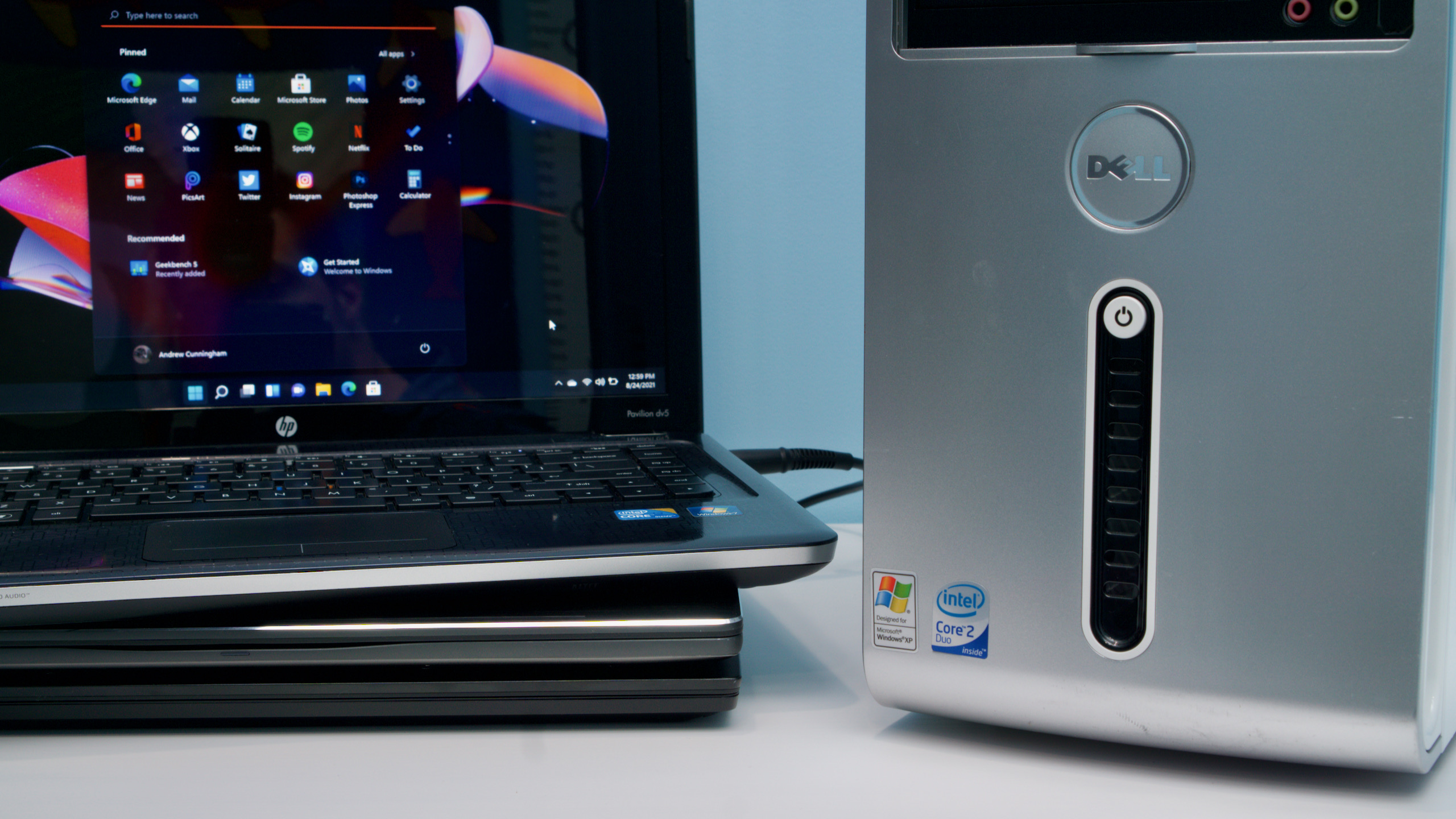
https://cdn.arstechnica.net/wp-content/uploads/2021/10/DSC00... https://cdn.vox-cdn.com/uploads/chorus_asset/file/22894952/t...
https://en.wikipedia.org/wiki/Superfish#Lenovo_security_inci...
Most of the time, it's software that goads you into a subscription after your 30-day trial, like anti-virus packages or HP's ink subscription.
1) Their production pipeline is optimized for windows, so Linux is a deviation requiring some manual intervention that costs extra.
2) Deals with Microsoft, wherein MS incentivizes them Dell based on some criteria, including but not limited to units sold. This is similar to car dealerships with quotas.
3) As others have noted, 3rd Party crapware deals for putting preinstalled crapware on Windows laptops. Fewer such opportunities exist for Linux laptops
Is there something I'm missing? Does selecting the developer version use different hardware that has better Linux support?
also, I believe they sometimes don't offer the lowest tier windows hardware with linux at all.
Barton George, Dell
Buy the system with the Windows OS. Back up the OS to a USB thumb drive and store it away carefully. You may need that to reinstall Windows if you want to sell the machine off a year or two later.
Wipe the hard drive completely by installing a new partition table. Install your own favorite Linux distro. Almost invariably, the Linux distro that could come with that machine, is a distro that you wouldn't normally use.
I think you nailed it. Free as in freedom, not free beer.
"Price Includes $250 off through Dell Small Business. Special Offer"
Or am I too cynical about our dear colleagues in marketing?