What is being done by Fidesz is definitely not what "most other developed countries" do. I won't be able to discuss all topics, but I'll give you a few examples of the media situation.
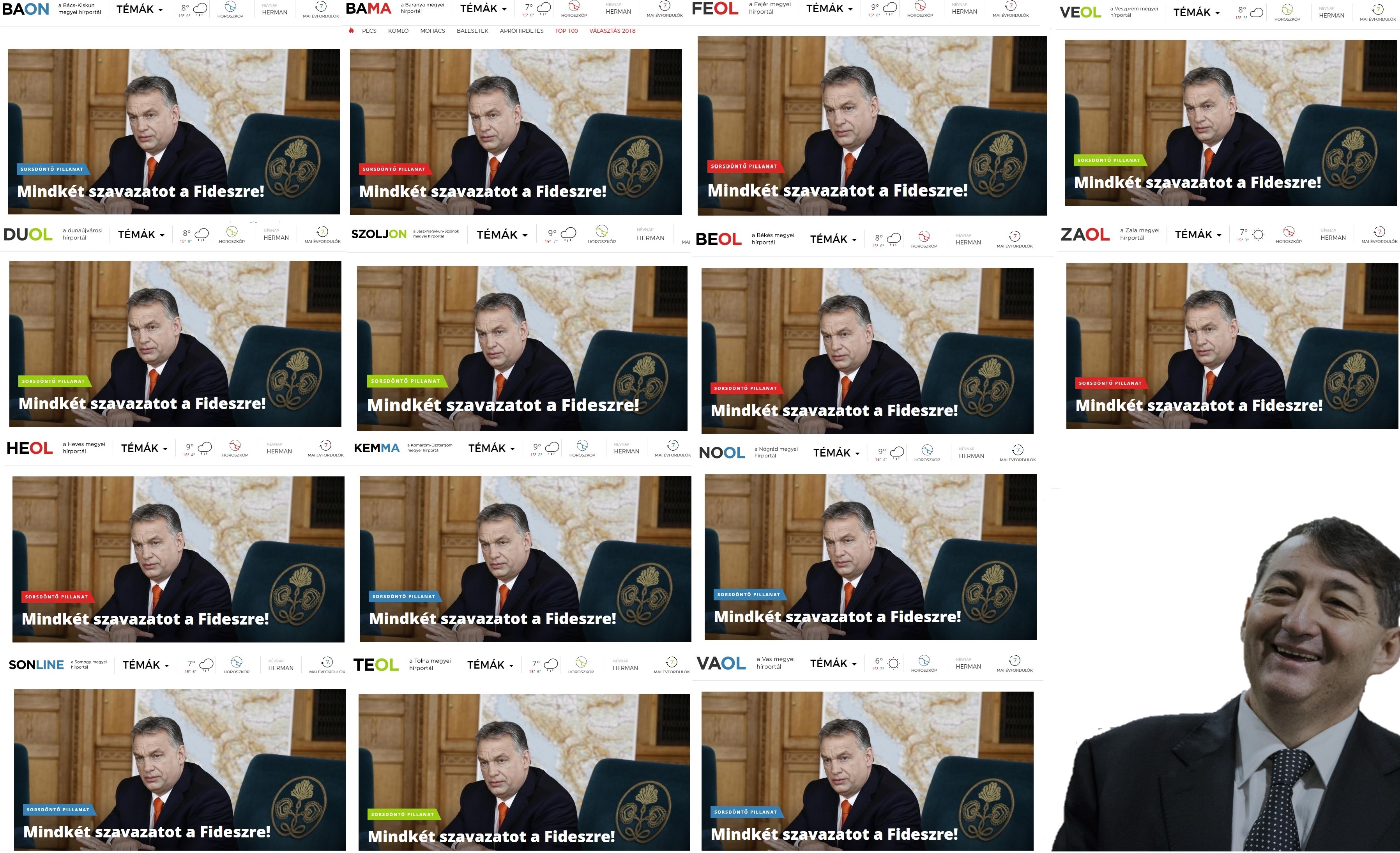
There were several businessmen who became extremely wealthy within a very short period, either by working directly for the government (usually with all the typical signs of corruption), or by getting financed directly or indirectly by the government in the form of huge free loans, grants, etc. These businessmen then started buying different media outlets, some of which were 'usual' business transactions, while others were very nasty stories in themselves (the ownership change of the news site Index.hu was probably the biggest scandal). At some point all of these supposedly independent businessmen decided to give away ALL of the media companies they owned for free to a new non-profit entity. This transaction was given a special exemption by the government from all the usual checks and requirements (like antitrust), even though hundreds of media outlets were concentrated in a single entity, which now governs the majority of print newspapers and radio stations. Since this has happened, all of them transfer exactly the same messages - for example look at the following picture to see the front page of the 19 or so county news sites the day before the last election, where the headline says "Both votes for Fidesz!". These used to have independent editorial boards and focused on local news previously.
https://assets.4cdn.hu/kraken/78sQpRcFFKsevwZIs.jpeg
The state-owned national media holding MTVA (like the BBC in the UK), which of course is supposed to give an unbiased view of the world, also transfers exactly the same messages - there were several scandals where it became public that even senior editors had to send their content for review to Fidesz's people for review, and they got detailed instructions on what and how to say.
Viktor Orban, the prime minister for 10 years, refuses to answer questions or give interviews to any media that is considered to be 'the opposition', even the sites with the highest number of daily readers. At the same time members of the opposition parties are given close-to-0 airtime on the state-owned national channels, and even when they are shown, it is in a negative context.
The national media regulatory body does not check any of the previous issues, but they have been very active for example in revoking the license of one of the last non-Fidesz-friendly radio stations (Klubradio) recently, which also became a scandal.
The work of journalist is made more and more difficult because the state refuses to give information to them or even answer basic questions - for example during the corona virus epidemic, Hungary had by far the least informative site on the topic, yet it was filled with propaganda news. For example to create a chart of the daily cases, journalists had to manually check the site every day and save the currently shown numbers. In order to get a breakdown per county about the cases, they had to submit an official inquiry, where first they said that such data is not available (!), then used all 45+45=90 days to give an answer. Of course the answer only contained the data for the time period when the questions was sent, so it was basically impossible to get up-to-date information.
Viktor Orban still frequently uses the same defence that "they are working in an unfriendly media environment and only try to restore balance", but that is simply not true.