> Like the M1 runs as fast as current gen x86 processors, while running cooler. How?
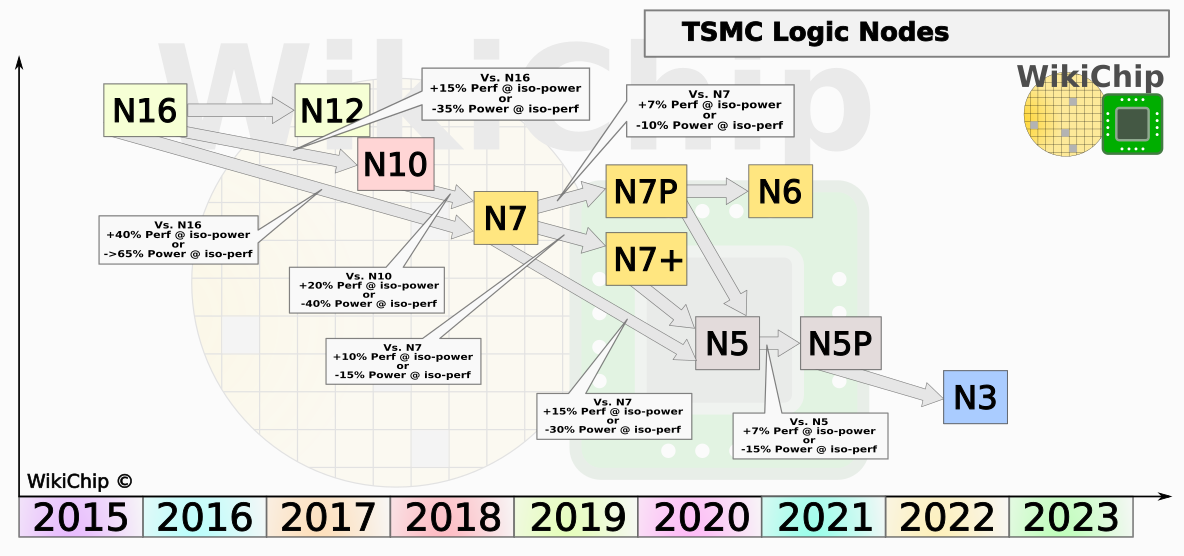
The M1 is one "node" ahead. Apple forked out the cash to get all their chips on TSMC's 5nm process. This is about 2 years of advancement over the 7nm process AMD pays TSMC for. Intel's latest 10nm node is similarly behind TSMC 5nm.
Semiconductors are tricky. Small performance gains take large increases in power. If you play with overclocking, you'll learn power increases quadratically or even cubically with clocks. The mere "2nm" shrink may seem inconsequential, but for these iso-perfomance comparisons(performance@constant-thermals), it is key.
All this to say, you get what you pay for. Chips can get the same performance on TSMC's 5nm node while using 70% of the power as chips on the 7nm node.[1] Compared to TSMC's 10nm (similar to Intel's popular 14nm still in production), 5nm chips can be expected to use ~45% of the power.
Hopefully that shed some light on the M1's biggest advantage for you.
[1] https://images.anandtech.com/doci/15219/wikichip_tsmc_logic_...