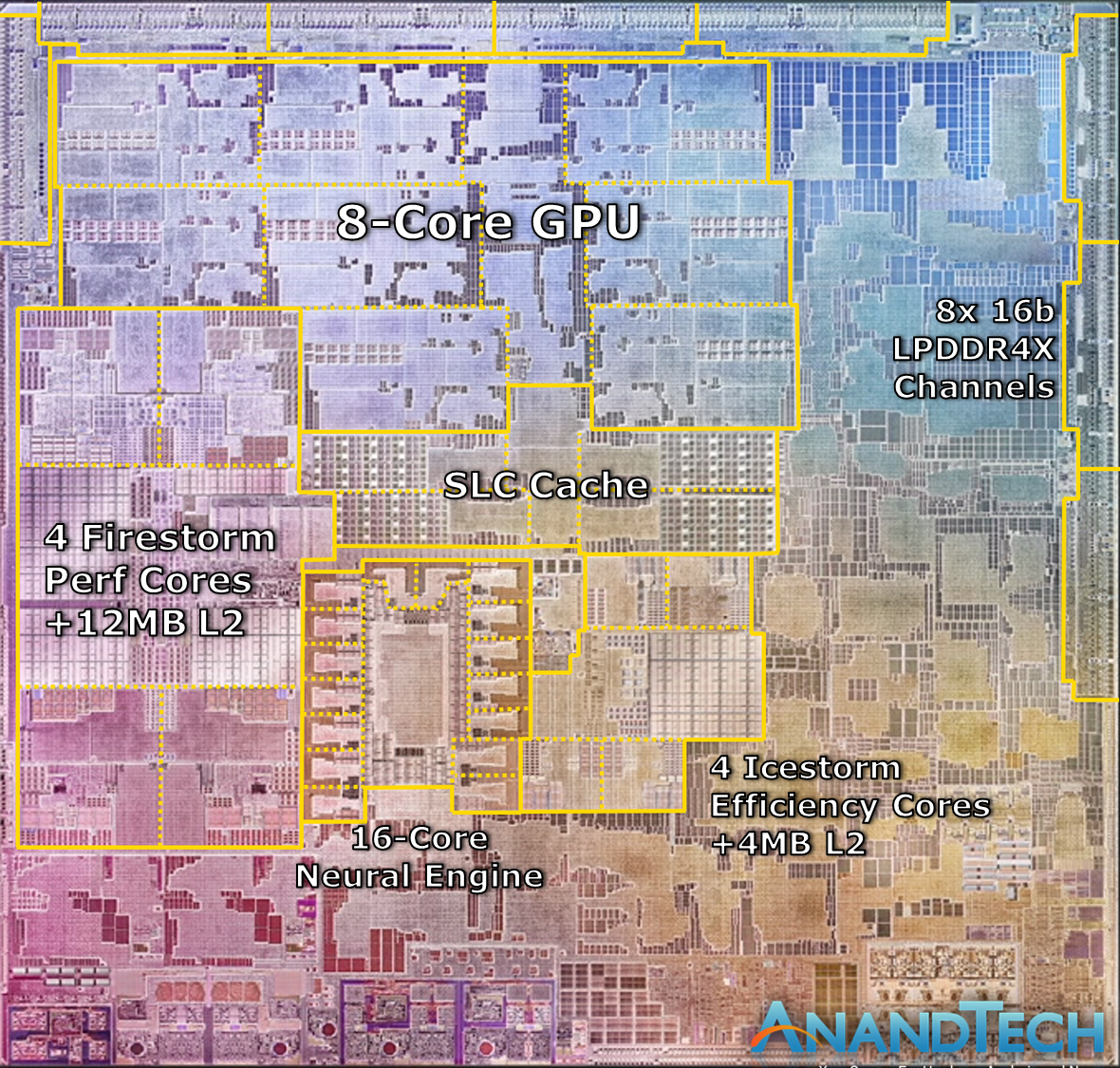
To achieve its very high IPC, M1 multiplies a lot of internal resources and also uses very large caches. All those require a huge number of transistors.
Implementing an M1-like design in an earlier technology would have required a very large area, resulting in a price so large and also in a power consumption so large that such a design would have been infeasible.
However, you are partially right in the sense that Intel clearly was overconfident due to their clock frequency advantage and they have decided on a roadmap to increase the IPC of their CPUs in the series Skylake => Ice Lake => Alder Lake that was much less ambitious than it should have been.
While Tiger Lake and Ice Lake have about the same IPC, Alder Lake is expected to bring a similar increase like from Skylake to Ice Lake.
Maybe that will be competitive with Zen 4, but it is certain that the IPC of Alder Lake will still be lower than the IPC of Apple M1, so Intel will continue to be able to match the Apple performance only at higher clock frequencies, which cause a higher power consumption.